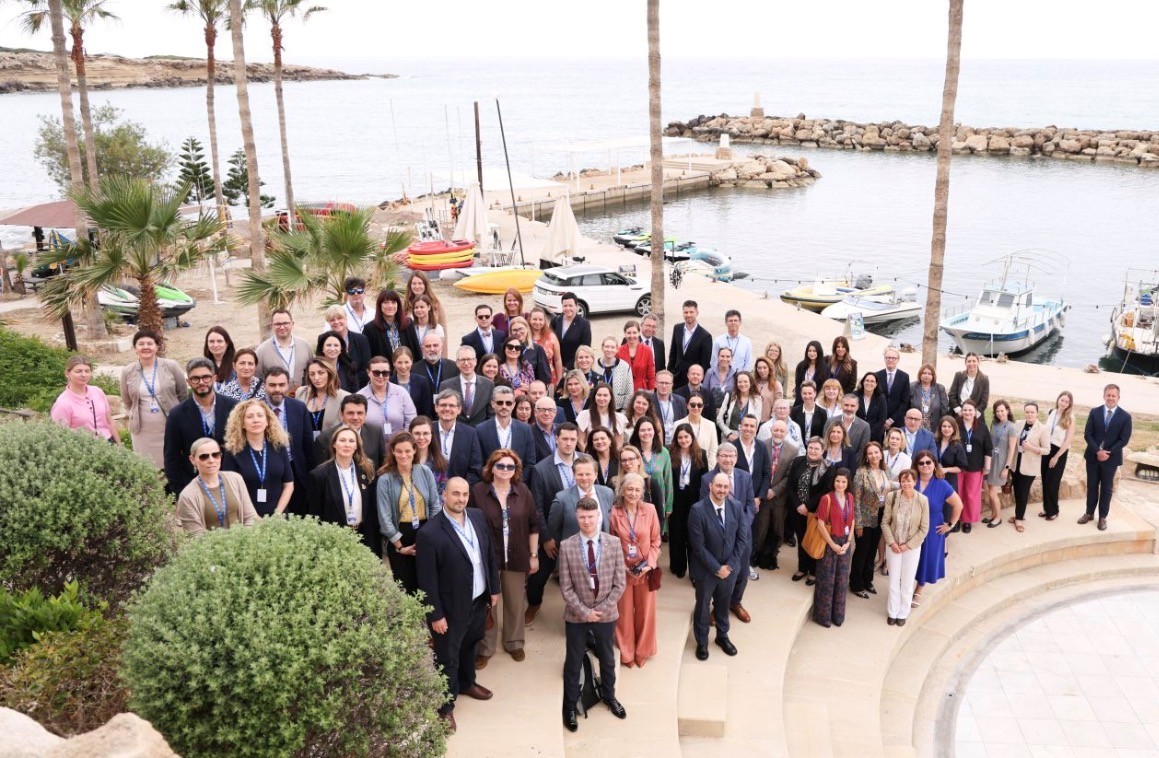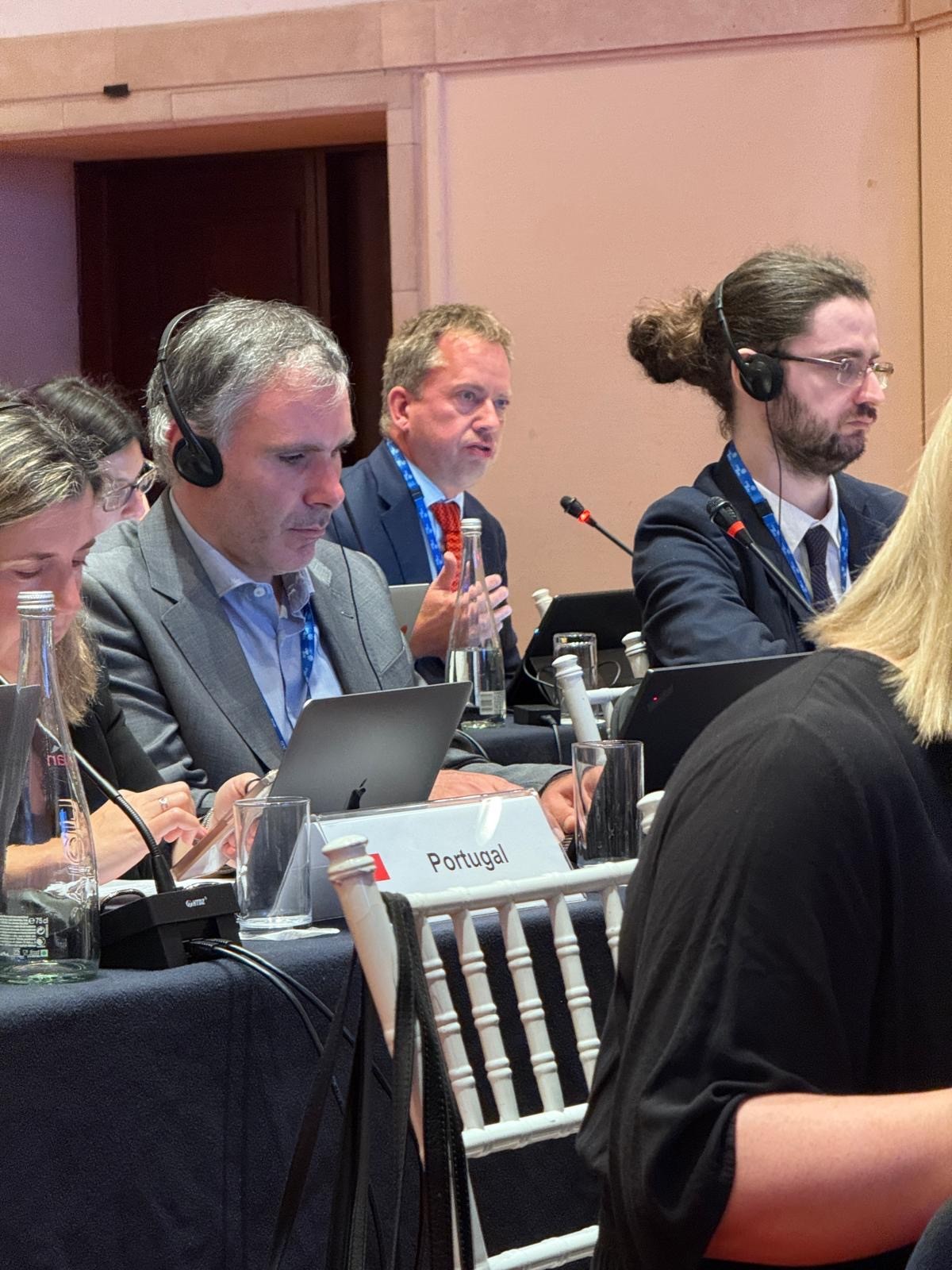

The UIHJ, represented by Patrick Gielen, Secretary General, took part in the 105th meeting of the contact points of the European Judicial Network in civil and commercial matters, held on 27 and 28 April 2026 in Paphos (Cyprus).
This meeting brought together representatives of Member States, experts and European institutions to discuss the implementation of EU civil procedures and their ongoing digitalization. The agenda strongly focused on developments related to the Digitalization Regulation, in particular the European Electronic Access Point (EEAP), designed as a tool to facilitate the electronic transmission of applications and documents between Member States, including without the intervention of intermediary authorities. This development aims to simplify and accelerate cross-border exchanges, complementing existing instruments such as the European Enforcement Order, the European Payment Order, the European Small Claims Procedure and the European Account Preservation Order.
However, this evolution also raises important considerations regarding the practice of service of documents. It is essential not to confuse transmission, which ensures that a document is sent from point A to point B, with service, which consists of bringing that document to the attention of the recipient in a certain, clear and understandable manner by a qualified professional, given the legal consequences attached to it. This distinction is crucial to safeguarding the rights of defence and legal certainty in an increasingly digital environment.
In this context, Patrick Gielen recalled that while these tools, strengthened by digitalization, significantly improve access to justice and the circulation of decisions within the European Union, they only concern the obtaining of a title or its transmission. Enforcement itself remains entirely governed by national law. He emphasized that the effectiveness of cross-border enforcement depends above all on clear, precise and efficient communication between Member States, which is essential to avoid misunderstandings, delays and practical obstacles regularly identified by practitioners.
The discussions highlighted both the progress achieved in terms of digitalization and the persistent challenges linked to the diversity of national legal systems, particularly in the field of enforcement. They also confirmed the key role of judicial officers in the enforcement phase, as practitioners ensuring the effective implementation of judicial decisions in an increasingly digitalized environment.
The UIHJ would like to thank the European Commission and the Cypriot Presidency for the excellent organization of this meeting, which enabled constructive and essential exchanges for strengthening judicial cooperation in Europe.