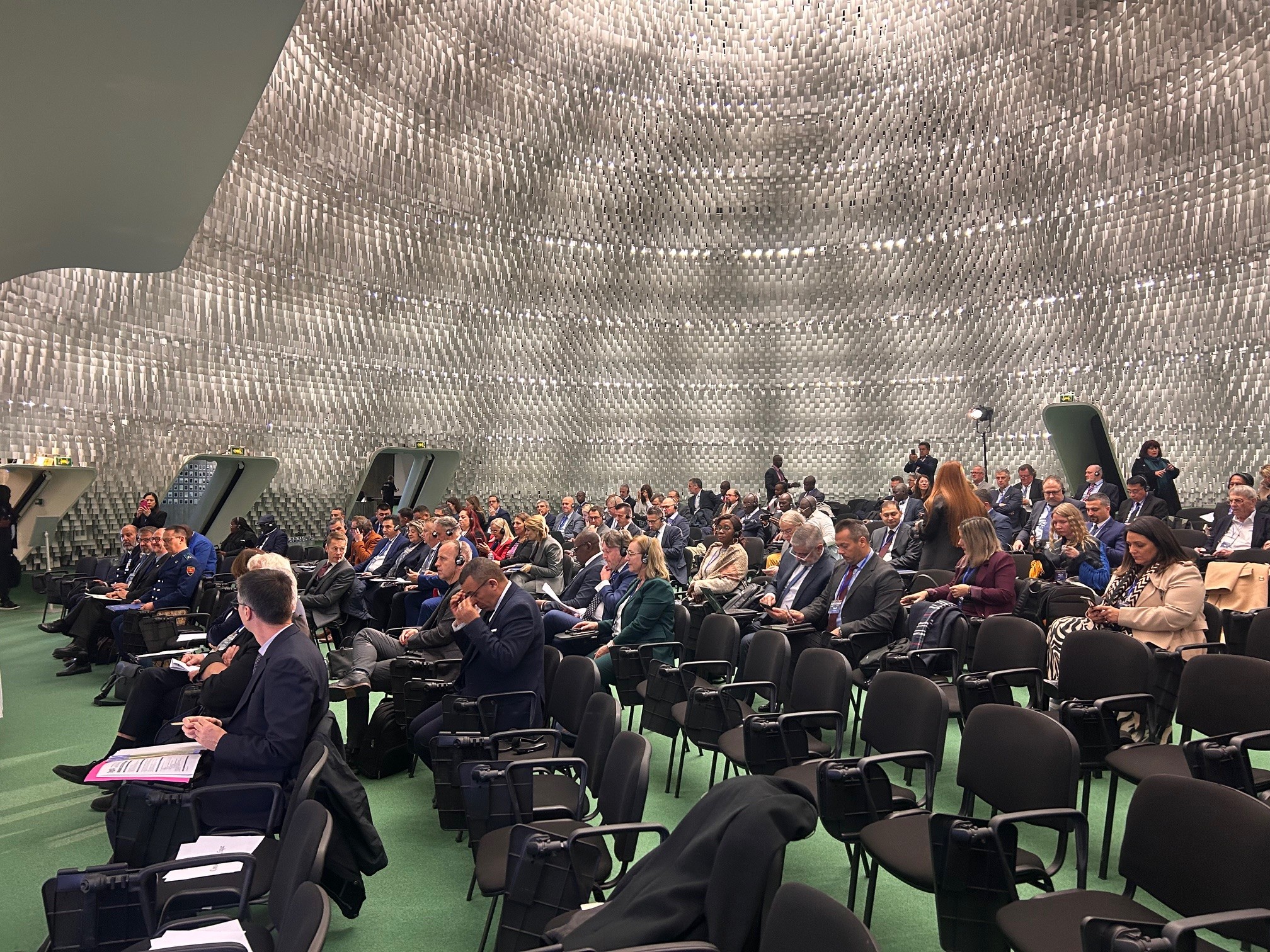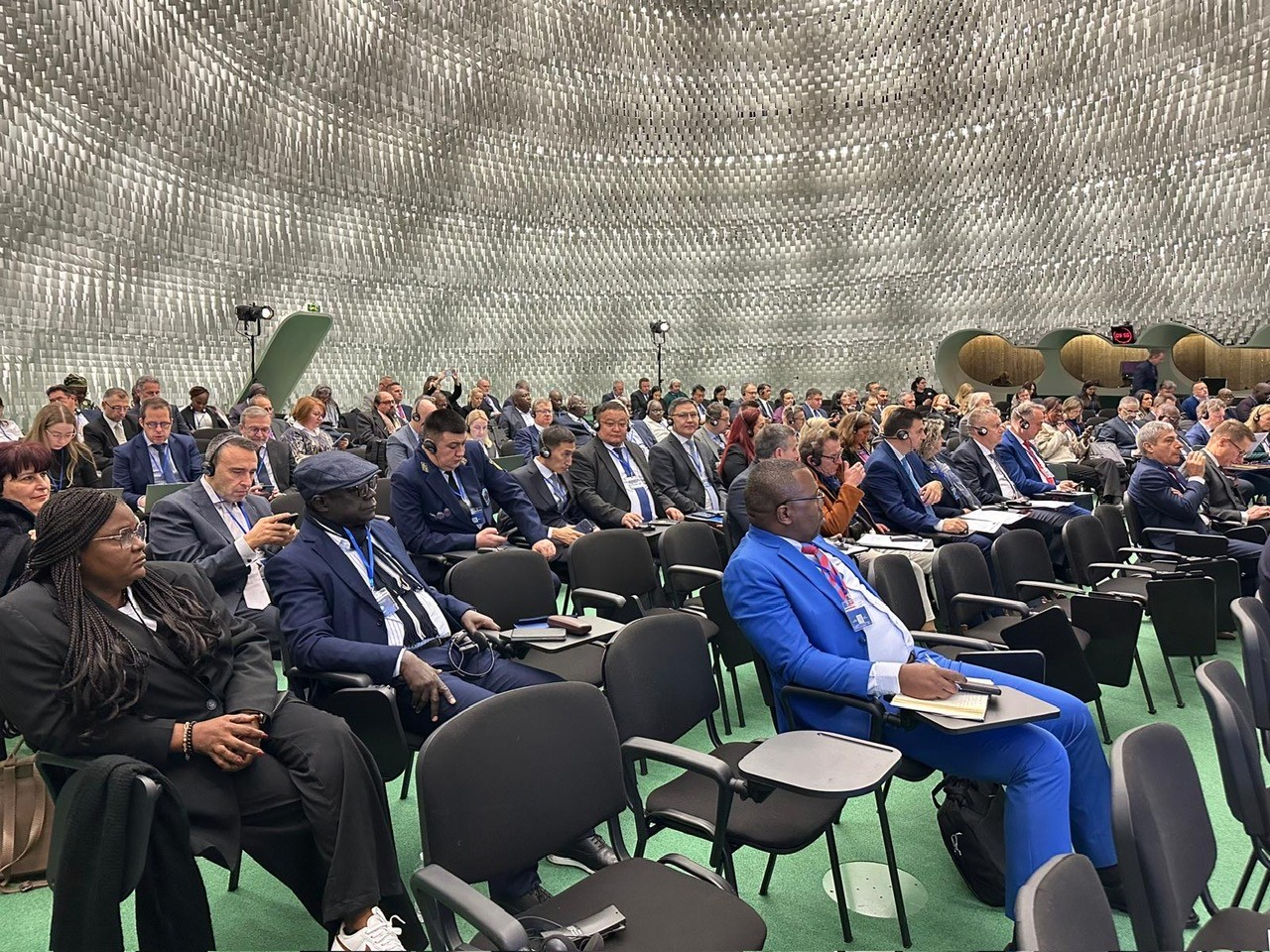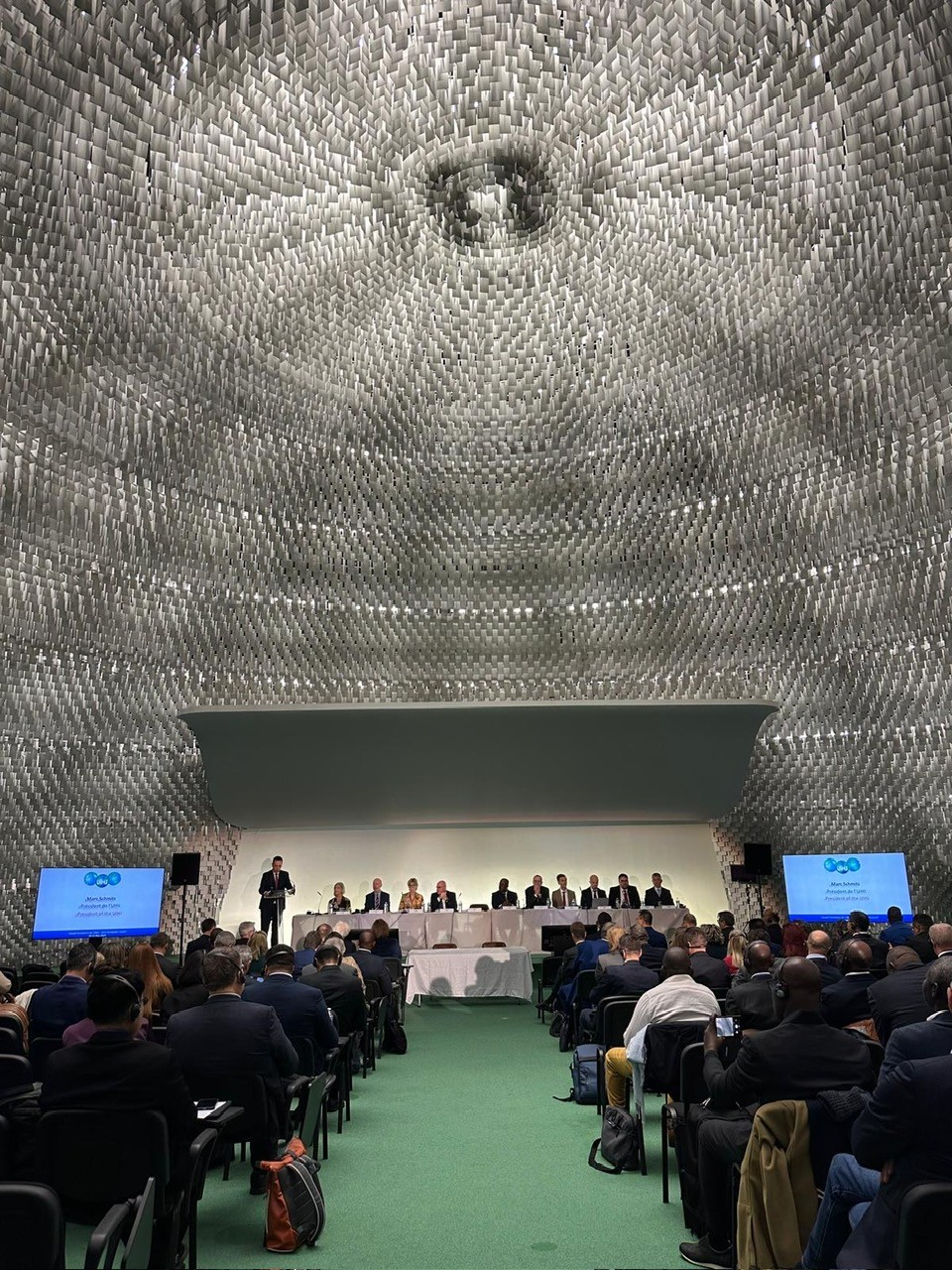

The 2025 edition of the Permanent Council of the International Union of Judicial Officers (UIHJ), held at the Espace Niemeyer in Paris, brought together more than 170 participants from over 50 countries.
As is tradition, this major annual event for the profession was preceded by the General Assembly of the European Union of Judicial Officers (UEHJ) as well as the meeting of African Presidents. Both meetings were held on 19 November at the headquarters of the French National Chamber of Commissioners of Justice.
The opening session was marked by three significant developments illustrating the international dynamism of the UIHJ.
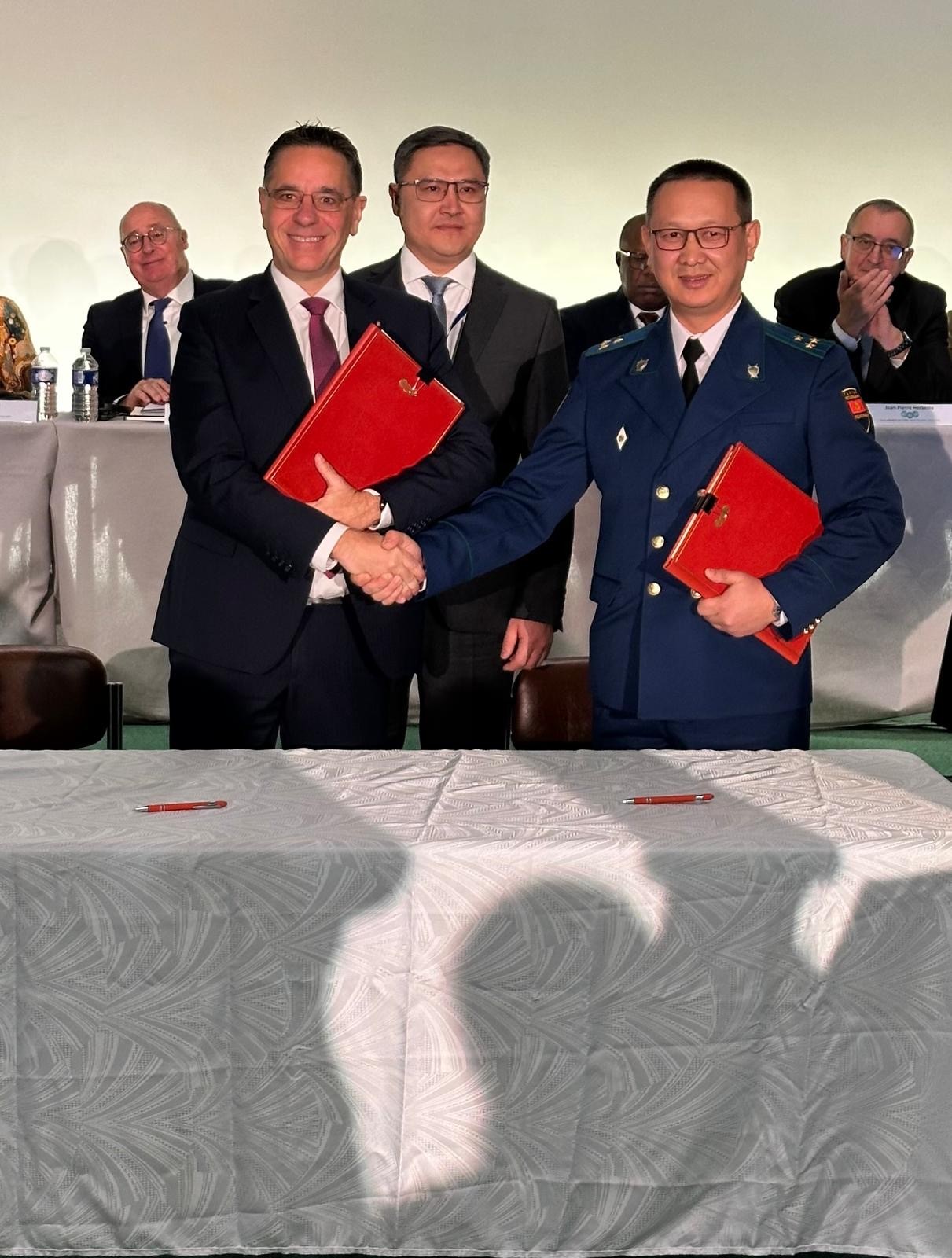
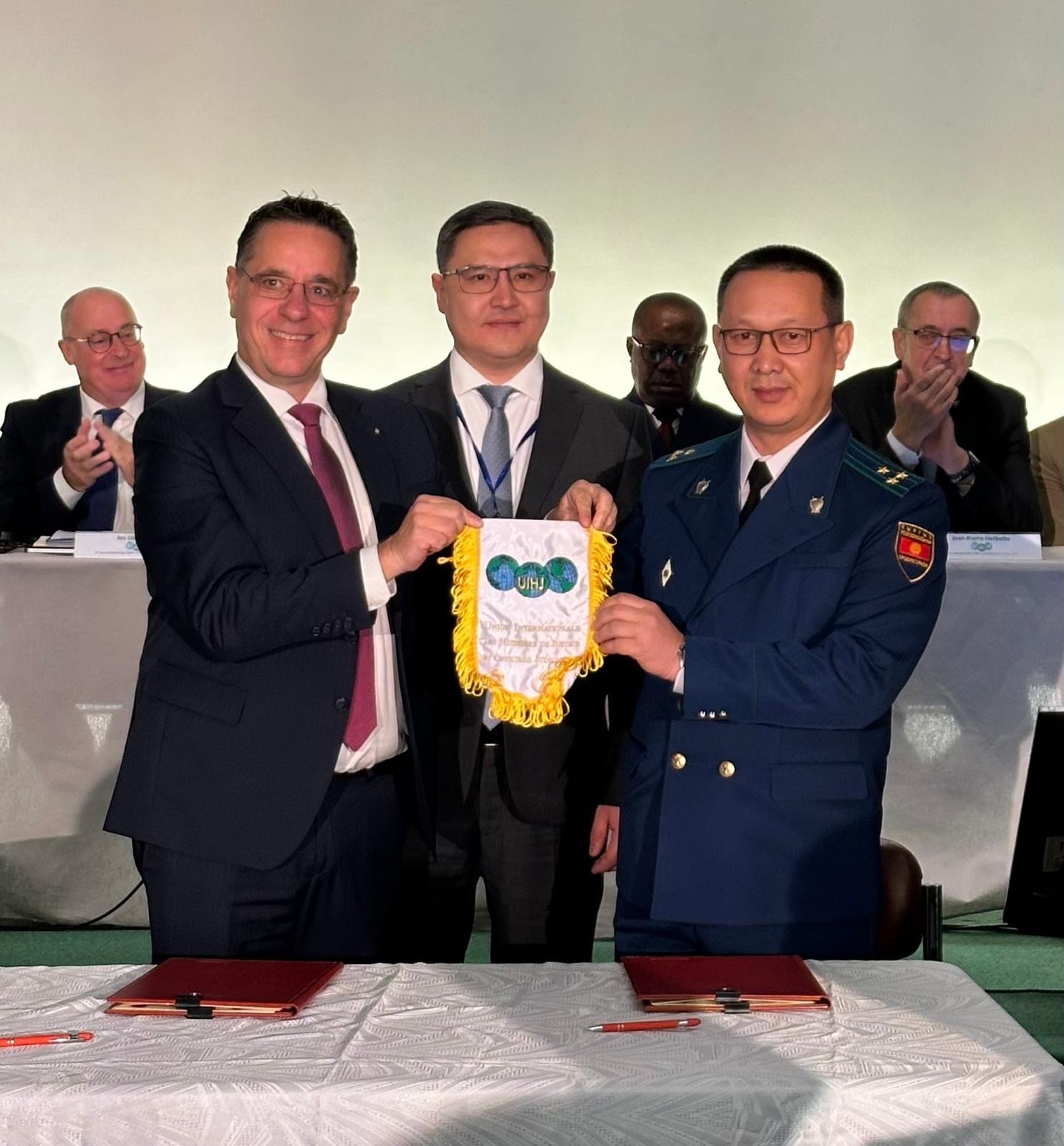
First, Kyrgyzstan was admitted as a accession member and will become a full adhering member during the International Congress to be held in Lisbon in 2027.
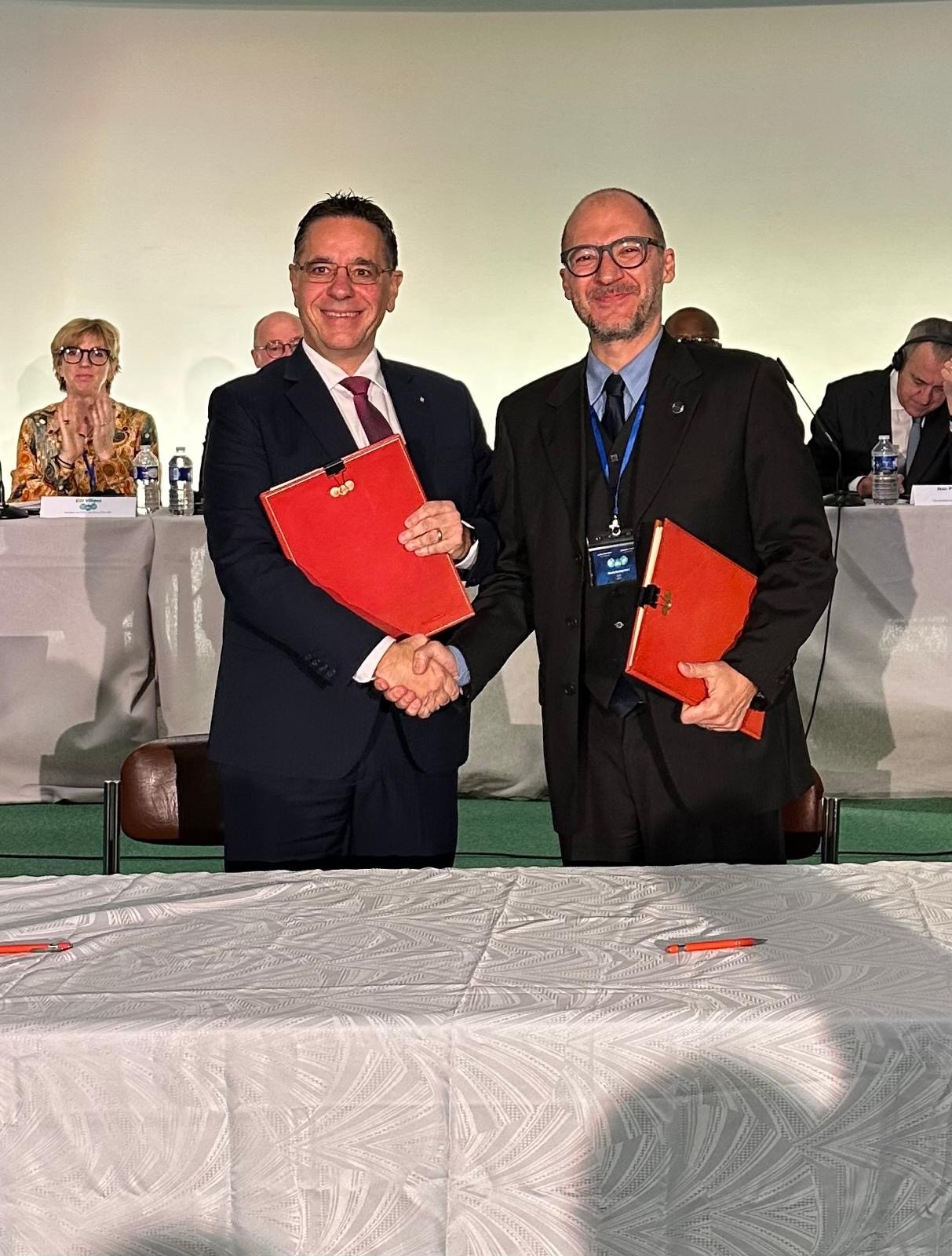
Second, ACDC ((Associazione Coordinamento Delegati Custodi – The Italian Association of Professionals for Foreclosed Real Estate Sales) joined the organization as a permanent observer member, thereby strengthening the institutional representation of the profession at the international level.
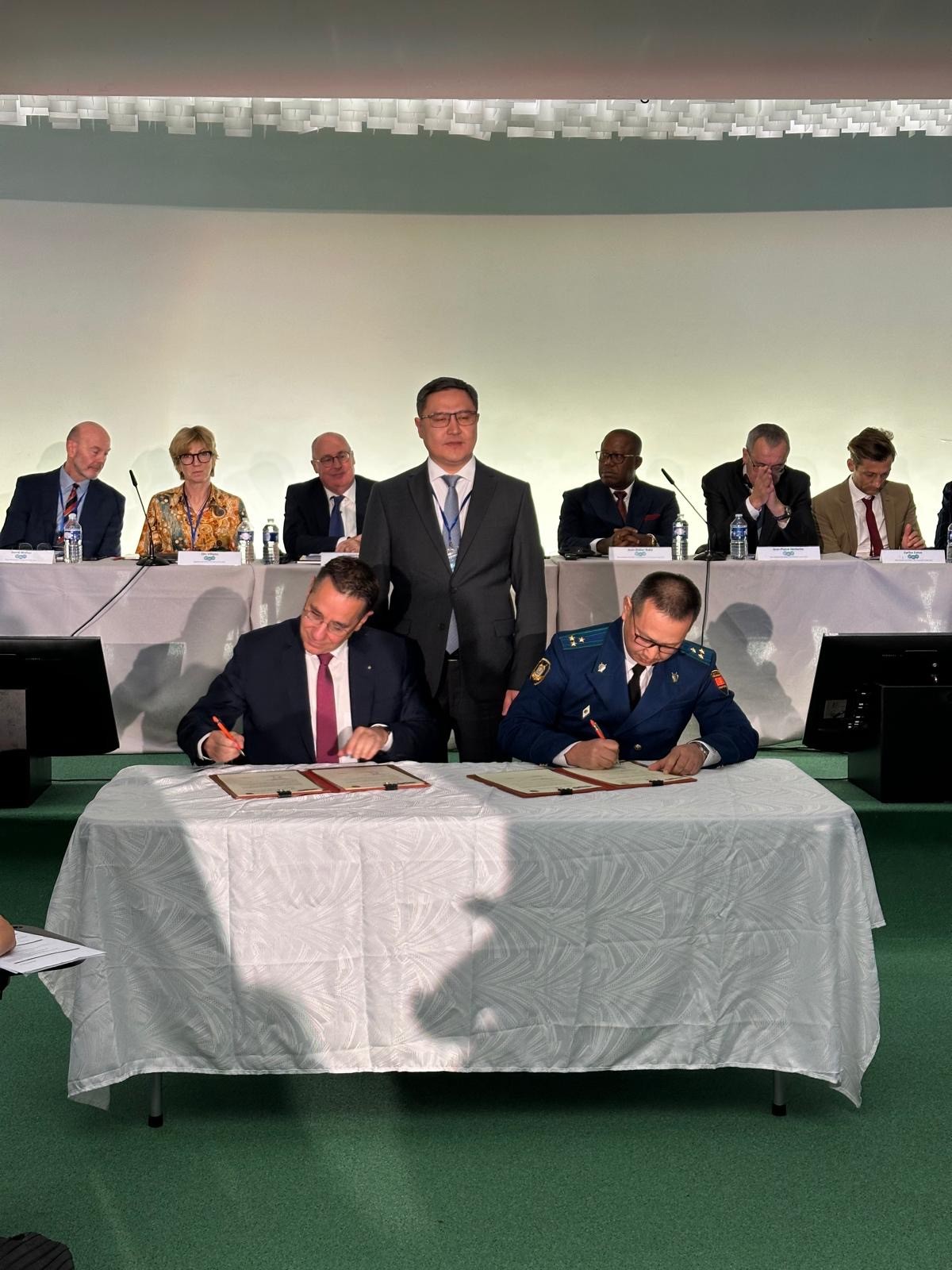
Finally, a new cooperation memorandum was signed with Thailand, paving the way for strengthened exchanges in the fields of training, institutional development and the harmonization of professional practices.
The agenda of the Permanent Council of 20 and 21 November covered the full range of UIHJ missions: governance, international projects, training, institutional partnerships, innovation and European developments.
Governance
In addition to the admissions and partnerships adopted during the opening session, the Council continued with the review of the 2025 activity report as well as proposed statutory amendments intended to modernize the organization’s structure, in accordance with item 10 of the agenda.
A detailed report was also presented on the 7th Africa–Europe Meetings of Judicial Officers, held in September, highlighting the growing role of the UIHJ in supporting enforcement reforms across the African continent.
Projects, International Cooperation and Training
The Permanent Council then examined all ongoing projects: e-FILIT, DIGIJUST, JODES, cooperation programs with the EBRD, work conducted in Laos and Mongolia, and emerging projects such as JUST AI-BLOC EU (EIPA), the 2026–2027 ERA programme, and Enforcement Atlas 2 (CECL).
All these initiatives confirmed the strategic importance of the UIHJ in developing international standards in enforcement and judicial innovation, as well as the crucial role of continuous training for judicial officers worldwide.
Emphasis was placed on training dynamics, including UFOHJA, job shadowing, the Training Think Tank, and innovative pedagogical tools such as professional podcasts.
Expertise and Research: The Jacques Isnard Institute and the Scientific Council
The Scientific Council, whose members play an active role in shaping international norms and drafting major reference works, presented its current projects, including the preparation of contributions for the upcoming update of the Global Code of Enforcement.
The work of the UIHJ Expert Group and the presentation of developments by the Innovation Team confirmed the importance granted to emerging technologies, including AI, blockchain, and digital assets.
European Developments and Institutional Partnerships
Participants discussed major European legislative developments, including the directive on proportionality, the work led by the ELI on enforcement against digital assets, and the most recent adjustments to European regulations.
The Permanent Council also discussed the work and initiatives of several international organizations, including the Hague Conference on Private International Law (HCCH), UNCITRAL, the Council of Europe’s CEPEJ, the European Commission, the ELI, as well as other traditional partners such as the UIM, the UINL, the CCBE and the CNUE.
10 Years of the Global Code of Enforcement and 60 Years of the 1965 HCCH Service Convention.
The afternoon of 20 November proved to be one of the most memorable moments of this edition. A joint workshop, moderated by Mathieu Chardon, former First Vice-President of the UIHJ, was dedicated to two major milestones in international enforcement law: the tenth anniversary of the Global Code of Enforcement and the sixtieth anniversary of the Hague Service Convention of 15 November 1965.
This dual commemoration gave rise to two intellectually outstanding panels, bringing together renowned scholars, experienced practitioners and leading institutional representatives.
10 Years of the Global Code of Enforcement: A Decade of Global Influence, Harmonisation and Innovation
Chaired by Françoise Andrieux, Honorary President of the UIHJ, the first panel gathered two members of the Scientific Council, Nathalie Fricero and Guillaume Payan, who reviewed the impact of the first ten years of the Global Code of Enforcement, adopted in 2015.
Their presentation emphasized that the Code has become one of the most influential doctrinal instruments shaping the international development of enforcement law.
It has inspired numerous reforms, enriched comparative jurisprudence, and served as a training foundation for thousands of professionals worldwide.
The speakers highlighted the doctrinal coherence of the Code while underlining the modernization it has fostered in terms of access to justice, transparency, professional ethics and procedural efficiency. They stressed the importance of common principles in facilitating the international circulation of judicial decisions and insisted on the need to fully integrate the new challenges of the digital era, including crypto-assets, procedural dematerialization and the growing use of artificial intelligence in enforcement.
This session laid the groundwork for the future revision of the Code that the UIHJ will undertake.
Second Panel: 60 Years of the 1965 HCCH Service Convention – A Historic Moment and the Signing of the Paris Declaration
The second panel focused on the anniversary of the 1965 Hague Convention, a cornerstone of international judicial cooperation.
The UIHJ had the honor of welcoming Dr Christophe Bernasconi, Secretary General of the HCCH, who delivered a moving address tracing the genesis, evolution and lasting importance of the Convention.
He recalled that the UIHJ had, from the outset, alerted the international community to the difficulties of transmitting documents abroad, thereby contributing directly to the drafting of the Convention.
Article 10(b) stands as a key provision enabling judicial officers to effect direct service between States when not prohibited.
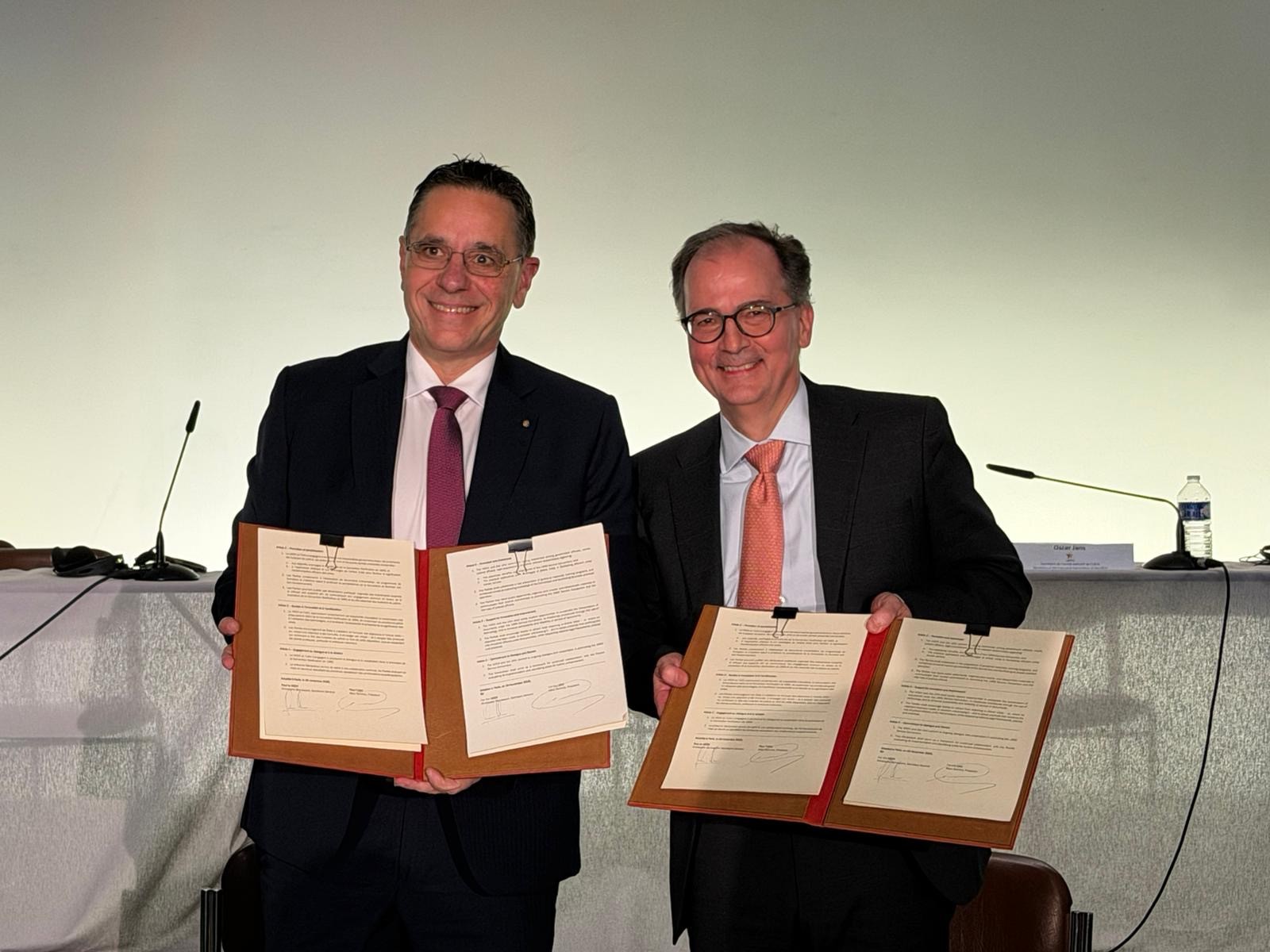
At the close of the panel, a solemn moment marked the history of the UIHJ: the signing of the Paris Declaration, jointly adopted by the HCCH and the UIHJ.
This text commits both organizations to actively promote the Convention, support the application of Article 10(b), and develop joint initiatives on awareness-raising, training and practical improvements.
It places particular emphasis on cooperation among judicial actors, the modernization of procedures through digital tools, the strengthening of training for judicial officers, and the encouragement of States not to object to Article 10(b), thus facilitating more efficient and reliable cross-border service of documents.
The Declaration constitutes a milestone in the reinforcement of international cooperation and in affirming the essential role of judicial officers in the functioning of cross-border justice.
A Permanent Council focused on innovation, cooperation and professional unity
The 2025 Permanent Council concluded on an exceptionally positive note, marked by the expansion of the international community of judicial officers, the strengthening of strategic partnerships and the richness of scientific debates throughout the sessions.
The signing of a major document for international judicial cooperation crowned these intense and productive days.
The outstanding quality of the presentations, the active involvement of delegations from five continents, and the ambition reflected in ongoing projects confirm that UIHJ continues to pursue its mission with determination: to promote justice, support the enforcement of judicial decisions and reinforce the rule of law across the world.