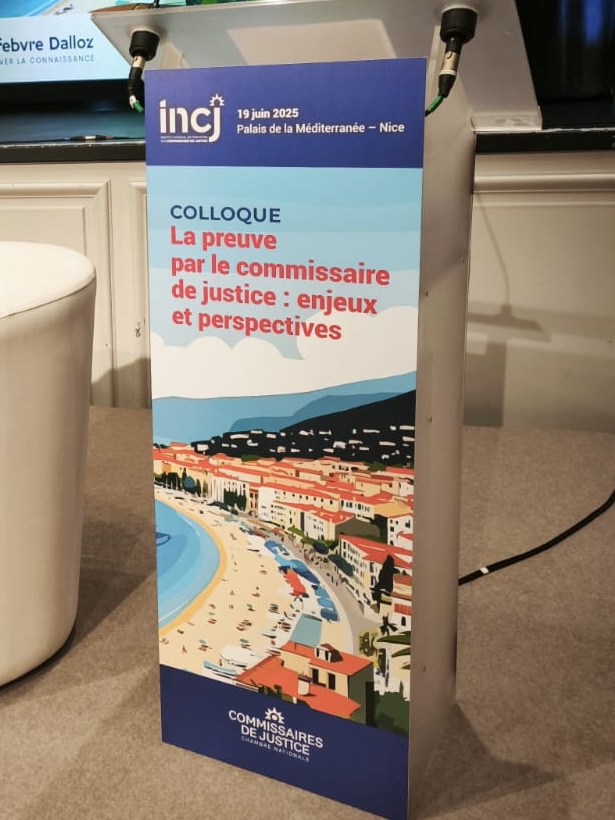
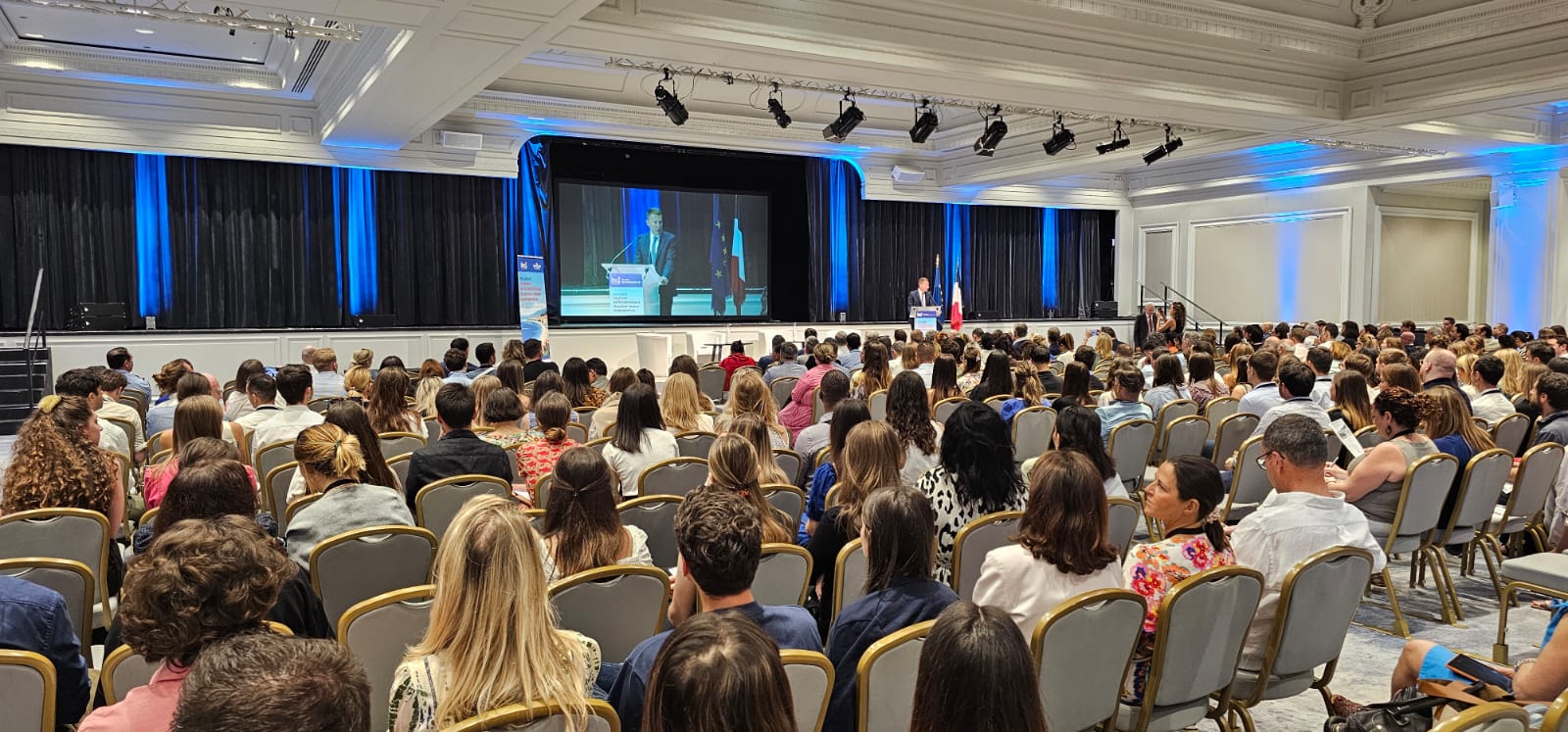
On 19 June 2025, the Palais de la Méditerranée in Nice hosted a major event for the profession of commissioner of justice: a national symposium entitled “Evidence by the commissioner of justice: challenges and perspectives”, organised by the National Institute for the Training of Commissioners of Justice (INCJ), in partnership with the National Chamber of Commissioners of Justice, the Université Côte d’Azur, EJT Formation, Lefebvre Dalloz and the Banque des Territoires.
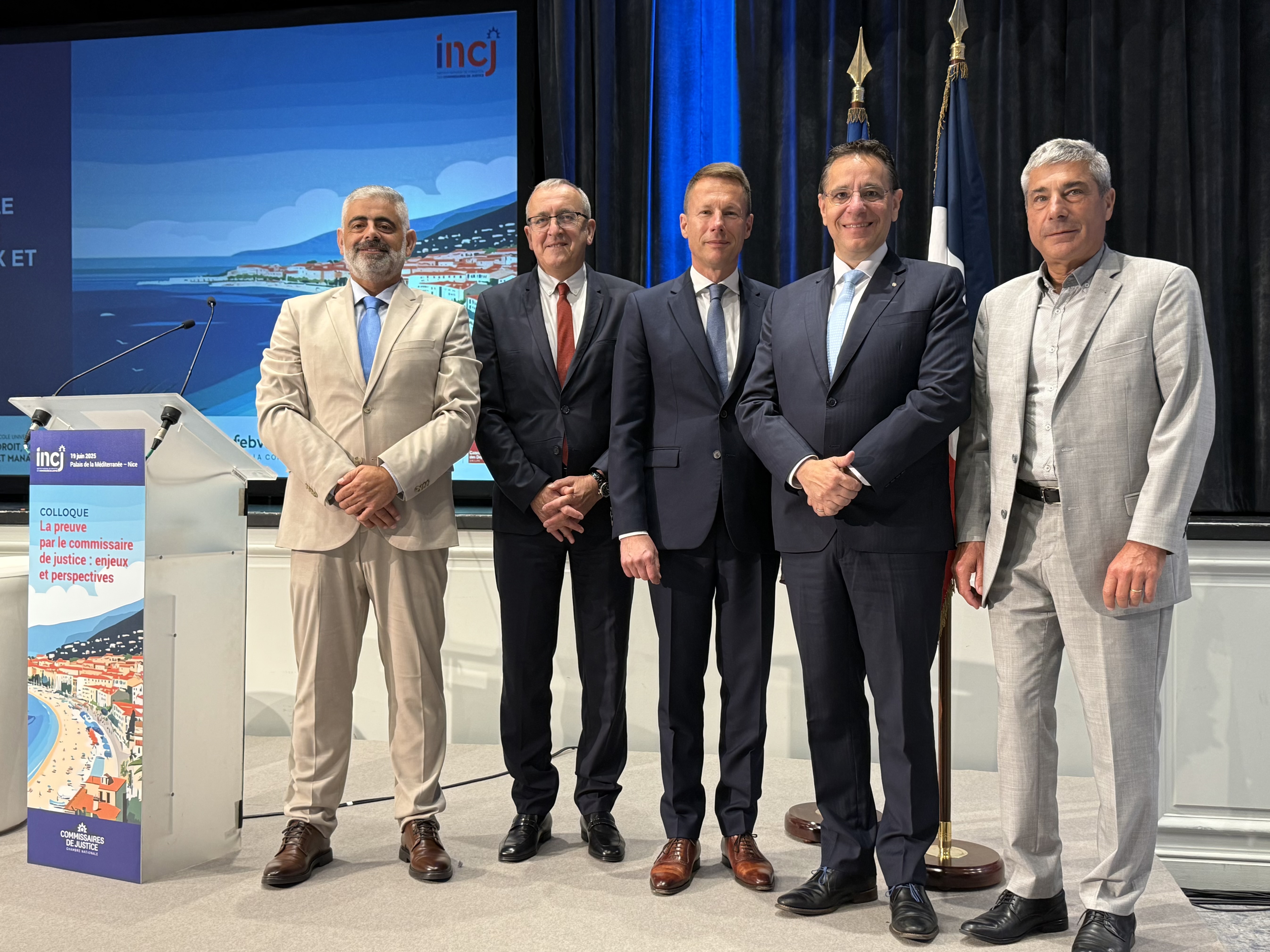
The UIHJ was represented at this event by Marc SCHMITZ, President, and Jean-Pierre HERBETTE, Vice-President, while the UEHJ was represented by Robert CICUTO, treasurer, and Paulo Duarte PINTO, member of the Executive Committee.
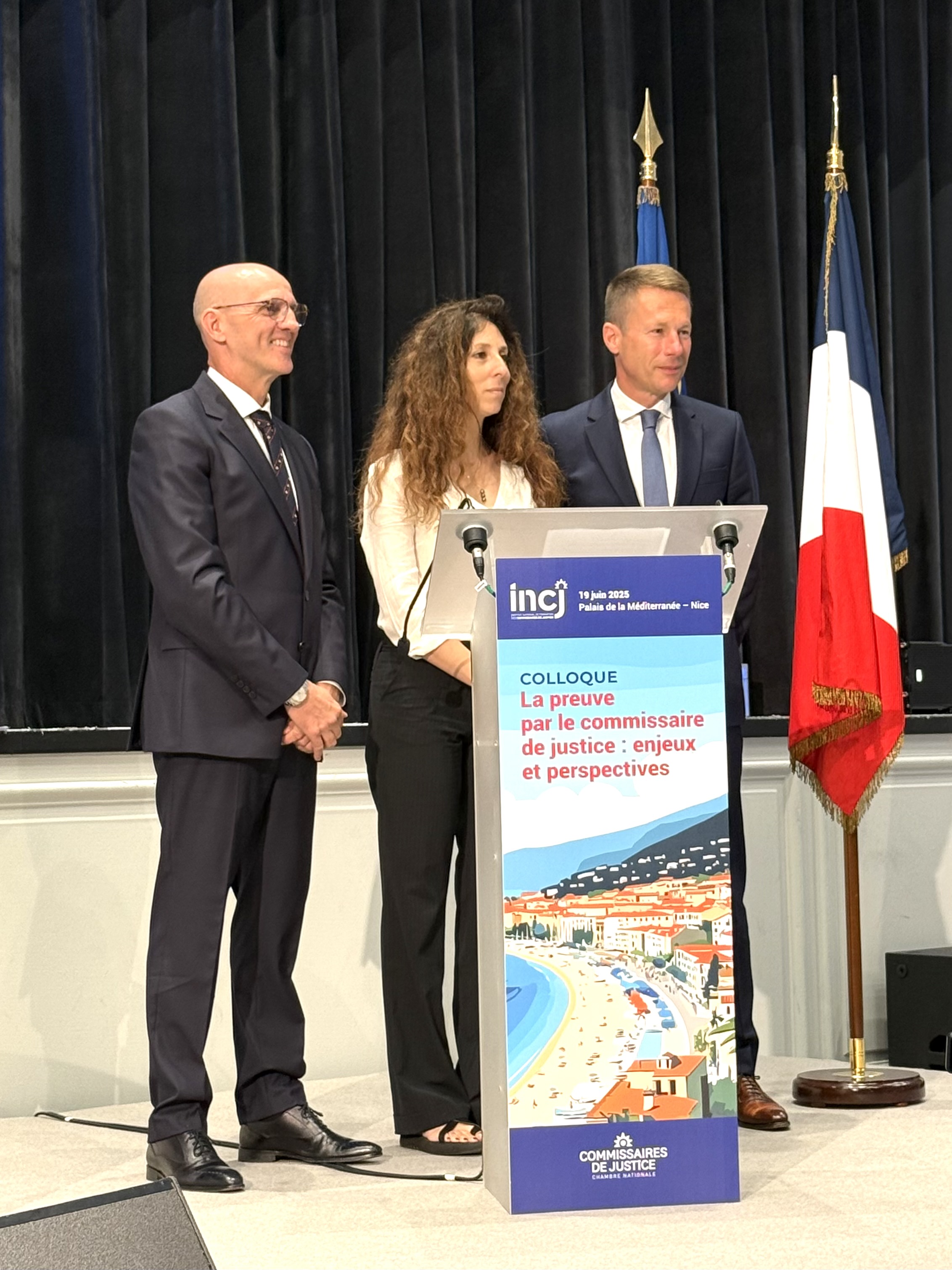
The proceedings were opened by Benoît Santoire, President of the National Chamber of Commissioners of Justice, Eva Mouial, Dean of the Faculty of Law of the University of Côte d’Azur, and Olivier Baret, Secretary of the National Chamber. Journalist Charlotte Pons, head of the Justice section for the Brief.me media, then moderated the debates with rigor and dynamism throughout the day.
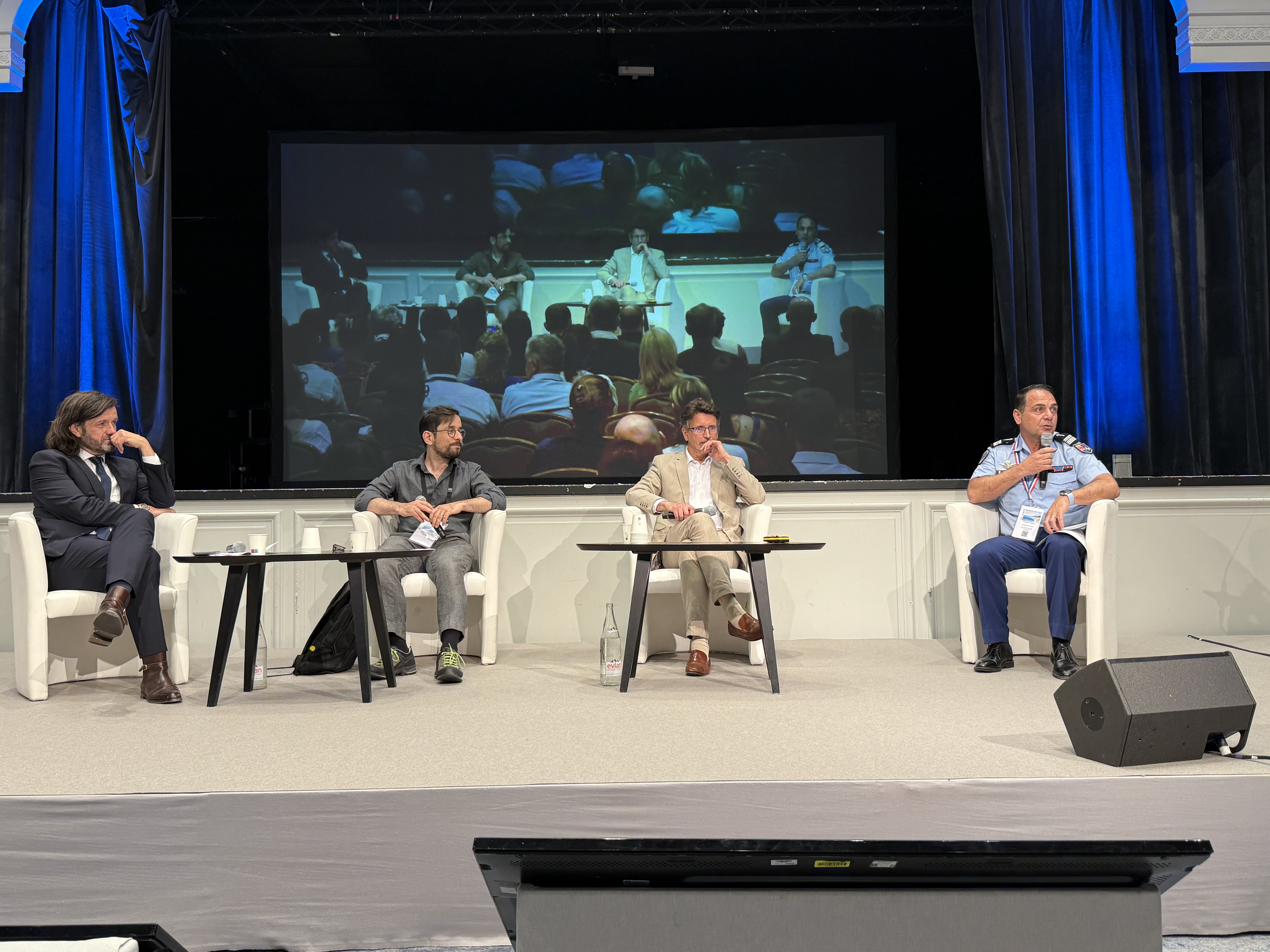
The morning was devoted to a series of conferences and round tables to take stock of current reporting practices. A first intervention, bringing together Natalie Fricero, Ludovic Lauvergnat and Chantal Bussière, explored the paradoxes of the observation: between the flexibility expected by users and the increasing complexity of its legal framework. Then, a round table on findings in business law provided an opportunity to delve deeper into issues related to evidence in an increasingly demanding economic environment. Among the speakers were Louis Degos, lawyer and president of the Paris bar association, and Patrick Sayer, president of the Paris Commercial Court. The morning concluded with a projection into the future, with a round table entitled “The observation of tomorrow”, bringing together experts such as Christophe Torrisi, gendarmerie officer and specialist in digital forensics, or Pierre Magrangeas, professor of cybersecurity at the University of Limoges, to discuss the gradual integration of new technologies – drones, artificial intelligence, digital collection – in the practice of observation.
The afternoon began with an analysis of recent legislative and jurisprudential developments concerning deeds of findings, presented by Agnès Martinel, president of the Second Civil Chamber of the Court of Cassation. This sequence was followed by four simultaneous masterclasses, allowing participants to choose a thematic in-depth study according to their interests. The following were proposed: an analysis of the fate of property in eviction proceedings by Arnaud Léon; feedback on drone findings by Joël Mazur and Pierre Nicolas Mazenot; a reflection on the use of artificial intelligence in the daily life of the commissioner of justice led by Olivier Baret, Jérôme Dron and Sabri Heddadji; and finally a discussion on conformity as a professional opportunity or constraint, with the participation of Béatrice Duquerroy, Luc Ferrand, Georges Decocq and Cécile Blanc.
At the end of the day, the concluding remarks preceded a particularly solemn moment: the official graduation ceremony for the winners of the examination for the profession of commissioner of justice. This moment of recognition, charged with emotion, honored the new generation of professionals who are joining a profession in full transformation.
Throughout the day, this symposium confirmed the importance of the commissioner of justice in the administration of evidence, in a context where the requirements of the litigant, technological innovations and legislative reforms require the reinvention of methods while remaining faithful to the fundamental principles of procedure. At the crossroads of law, technology and ethics, the commissioner of justice is more than ever asserting himself as an essential player in legal certainty and access to the law.