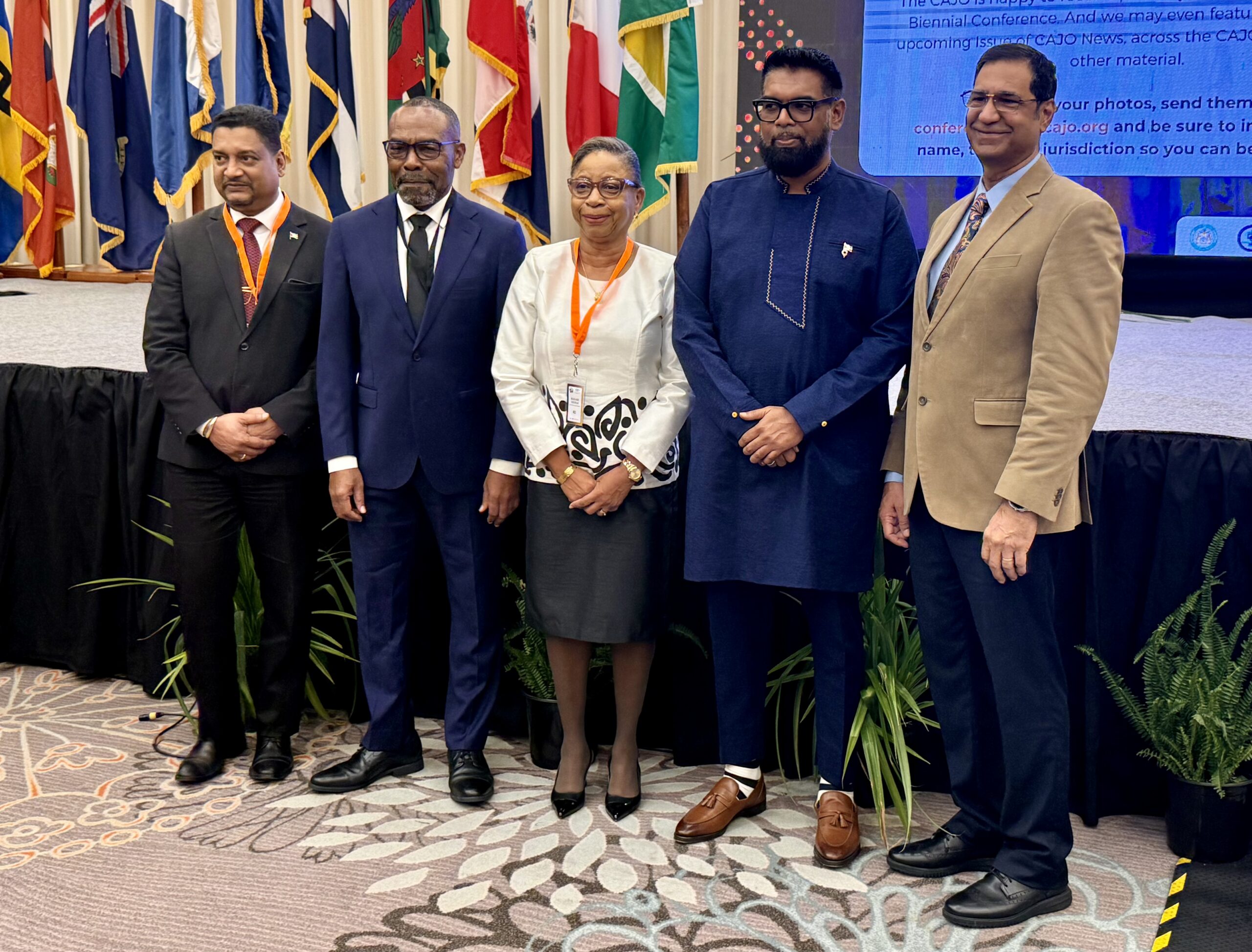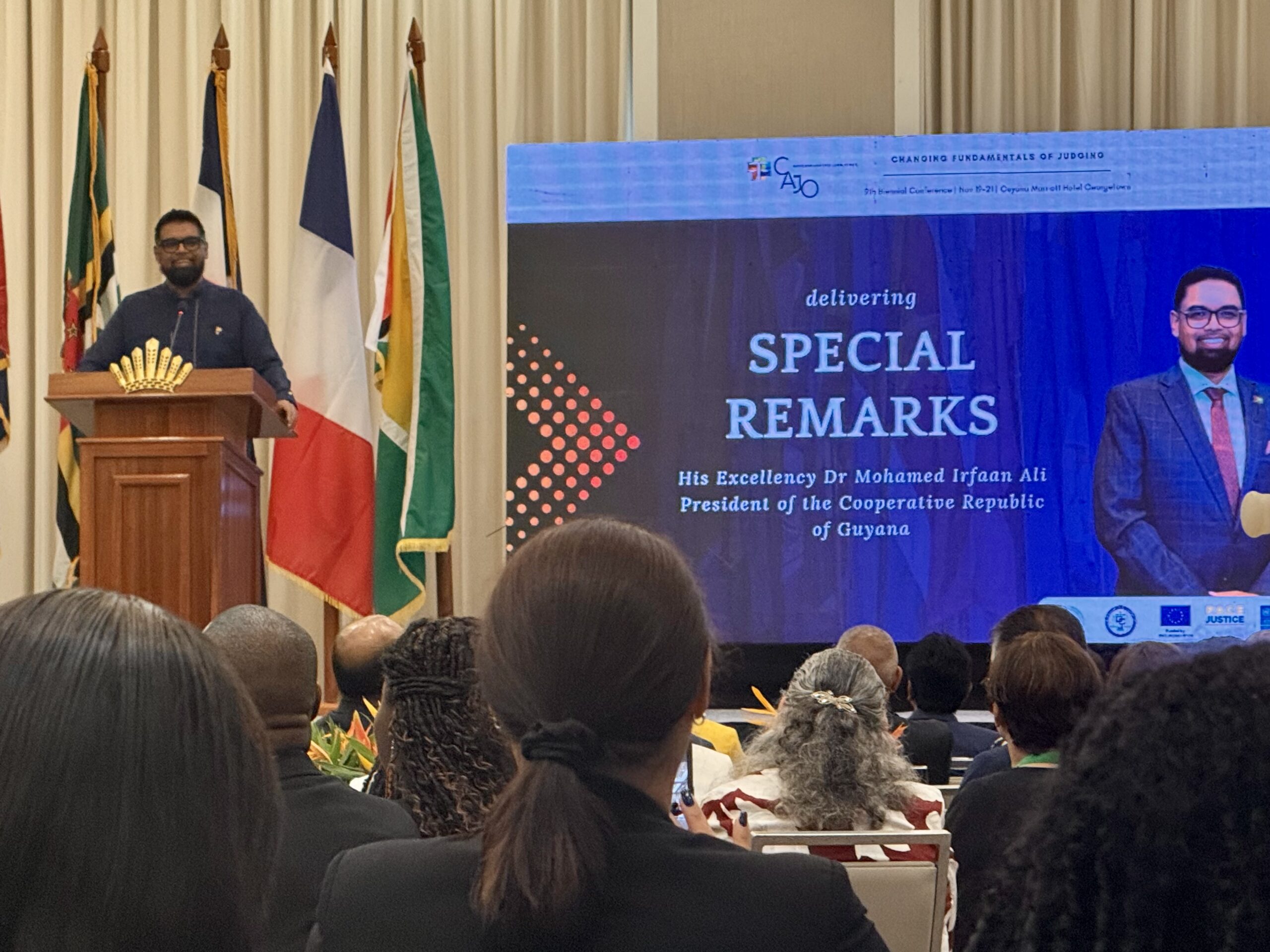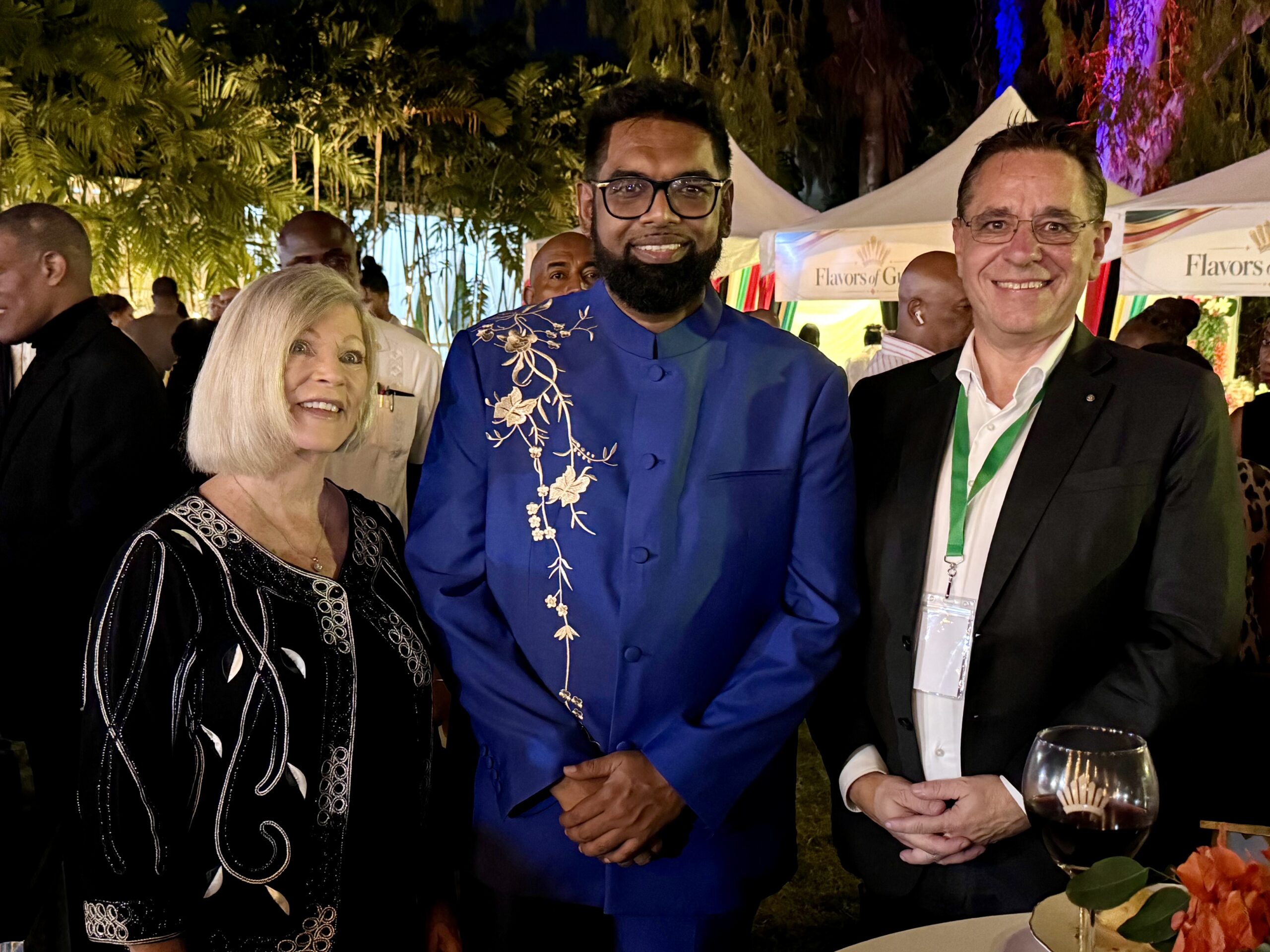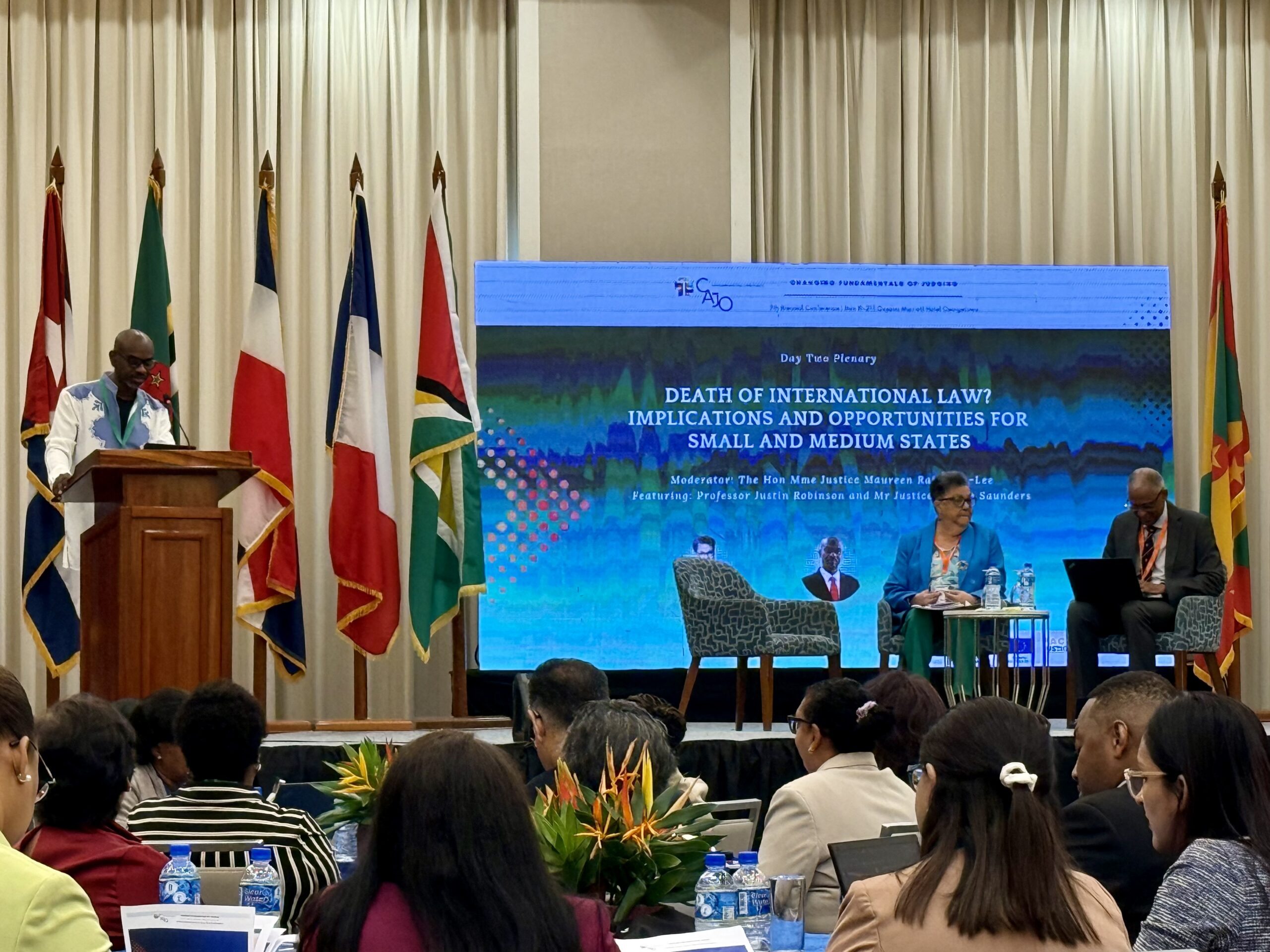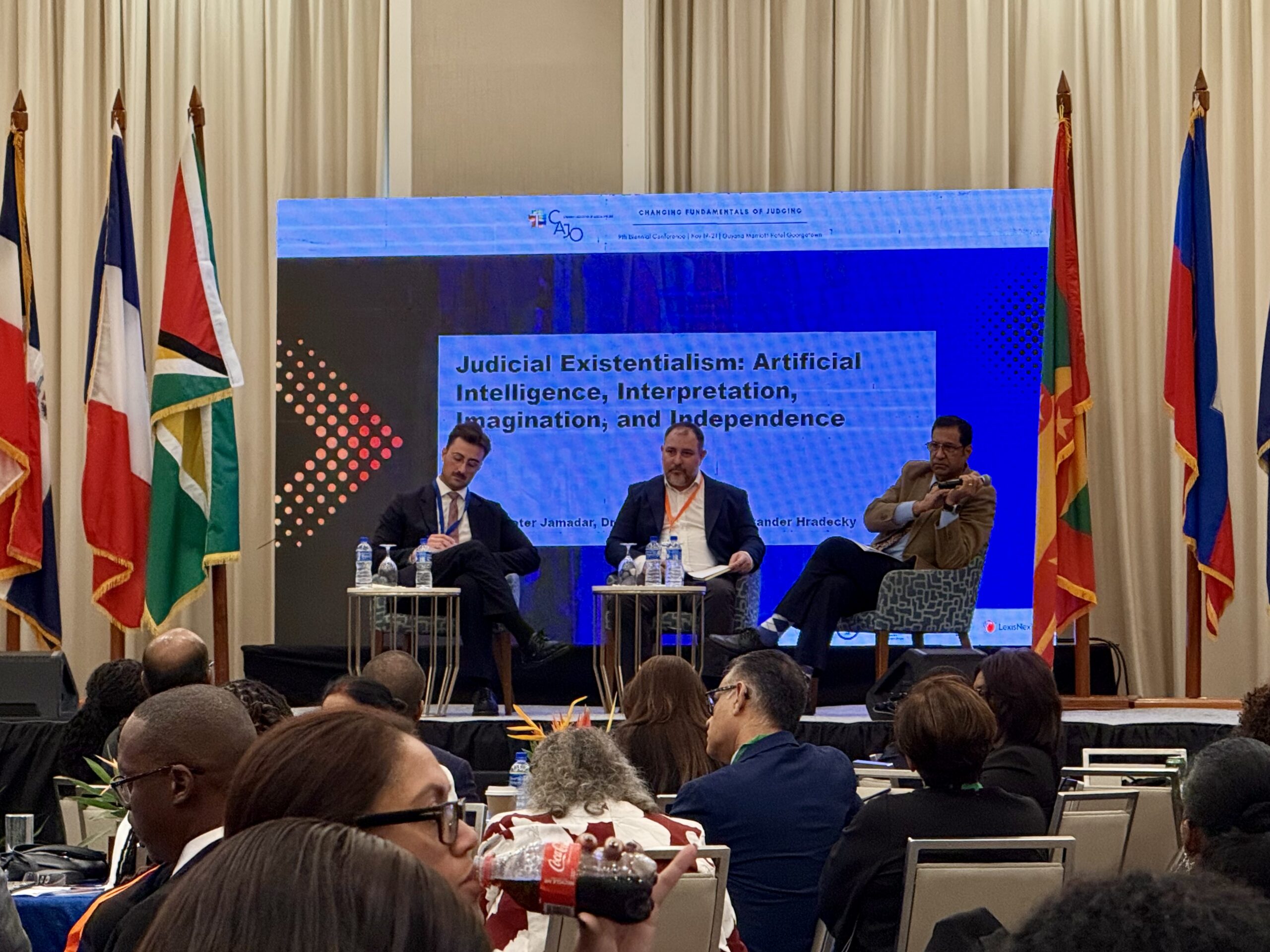
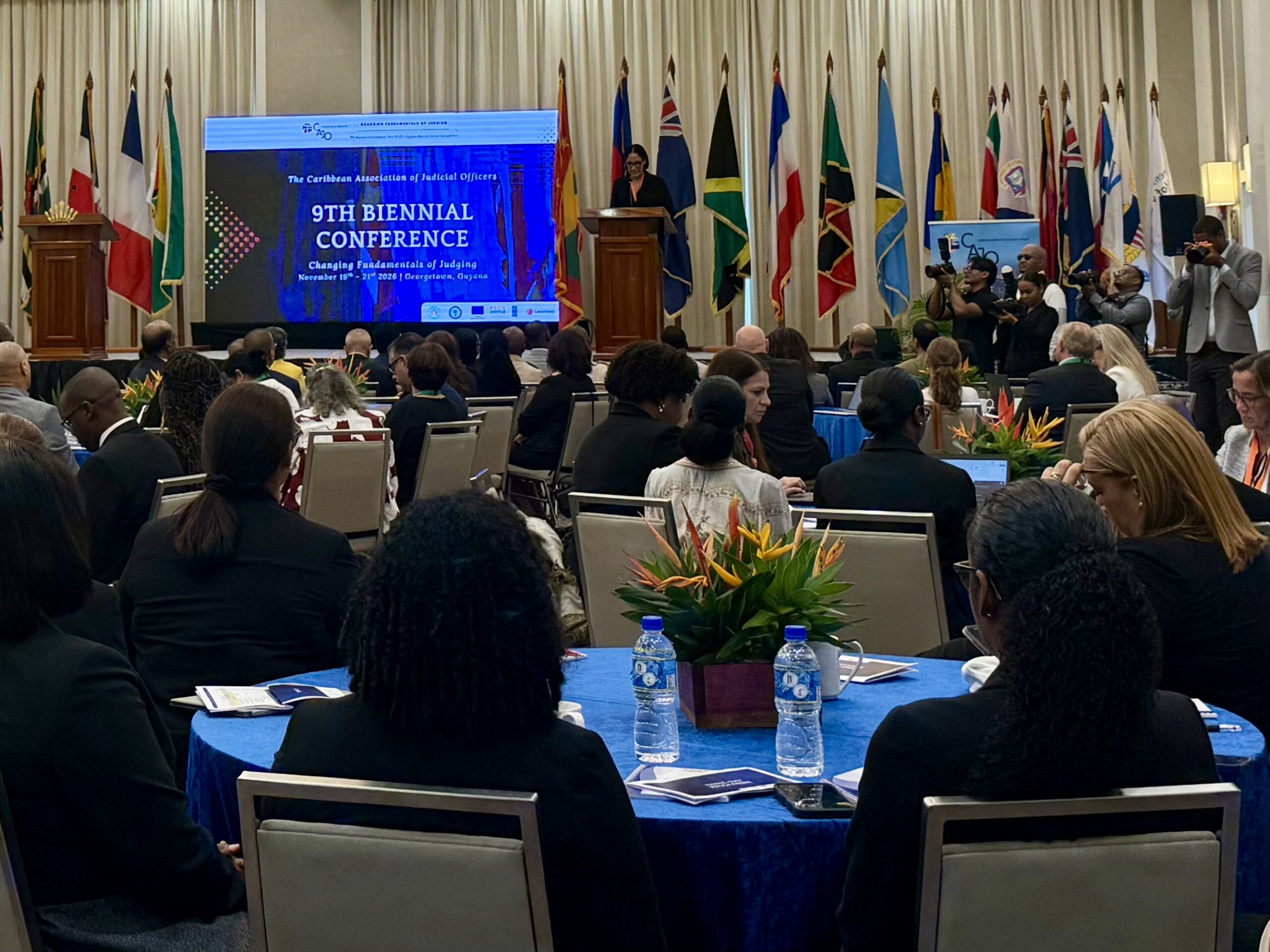
The International Union of Judicial Officers (UIHJ) participated in the 9th Biennial Conference of the Caribbean Association of Judicial Officers (CAJO), held from 19 to 21 November 2026 at the Guyana Marriott Hotel in Georgetown, Co-operative Republic of Guyana.
The UIHJ was represented by its President, Marc Schmitz, accompanied by Sue Collins, Deputy Secretary of the UIHJ Board.
Organised under the theme “Changing Fundamentals of Judging”, the conference brought together almost 200 participants, including Chief Justices, judges, magistrates, registrars, court administrators, legal professionals and representatives of judicial institutions from across the Caribbean and beyond.
The conference provided an important platform for examining the profound transformations affecting contemporary justice systems and the evolving responsibilities of judicial professionals.
The discussions focused on a broad range of issues, including the impact of artificial intelligence and digital technologies on judicial decision-making, judicial independence, ethics, public confidence in justice, human rights, restorative justice, transnational crime and judicial well-being.
These subjects reflect challenges shared by judicial systems worldwide and are closely connected to the UIHJ’s own work on the modernisation of justice, the responsible use of new technologies and the protection of fundamental rights.
The opening ceremony featured addresses by several prominent personalities, including His Excellency Dr Mohamed Irfaan Ali, President of the Co-operative Republic of Guyana, the Honourable Mr Justice Winston Anderson, President of the Caribbean Court of Justice (CCJ), and the Honourable Mr Justice Peter Jamadar, Chair of CAJO.
In his address, President Irfaan Ali emphasised the essential relationship between public trust and judicial independence. He highlighted the need for justice systems to adapt to technological and societal developments while preserving impartiality, accessibility and the rule of law.
For his part, Justice Winston Anderson stressed the importance of maintaining effective, independent and forward-looking judiciaries in a rapidly changing environment. He underlined the responsibility of judicial officers to remain attentive to the human and societal consequences of their decisions.
The conference also provided opportunities for exchanges on the practical implications of technological innovation, particularly the growing role of artificial intelligence in the administration of justice and the need to preserve human judgment, accountability and ethical standards.
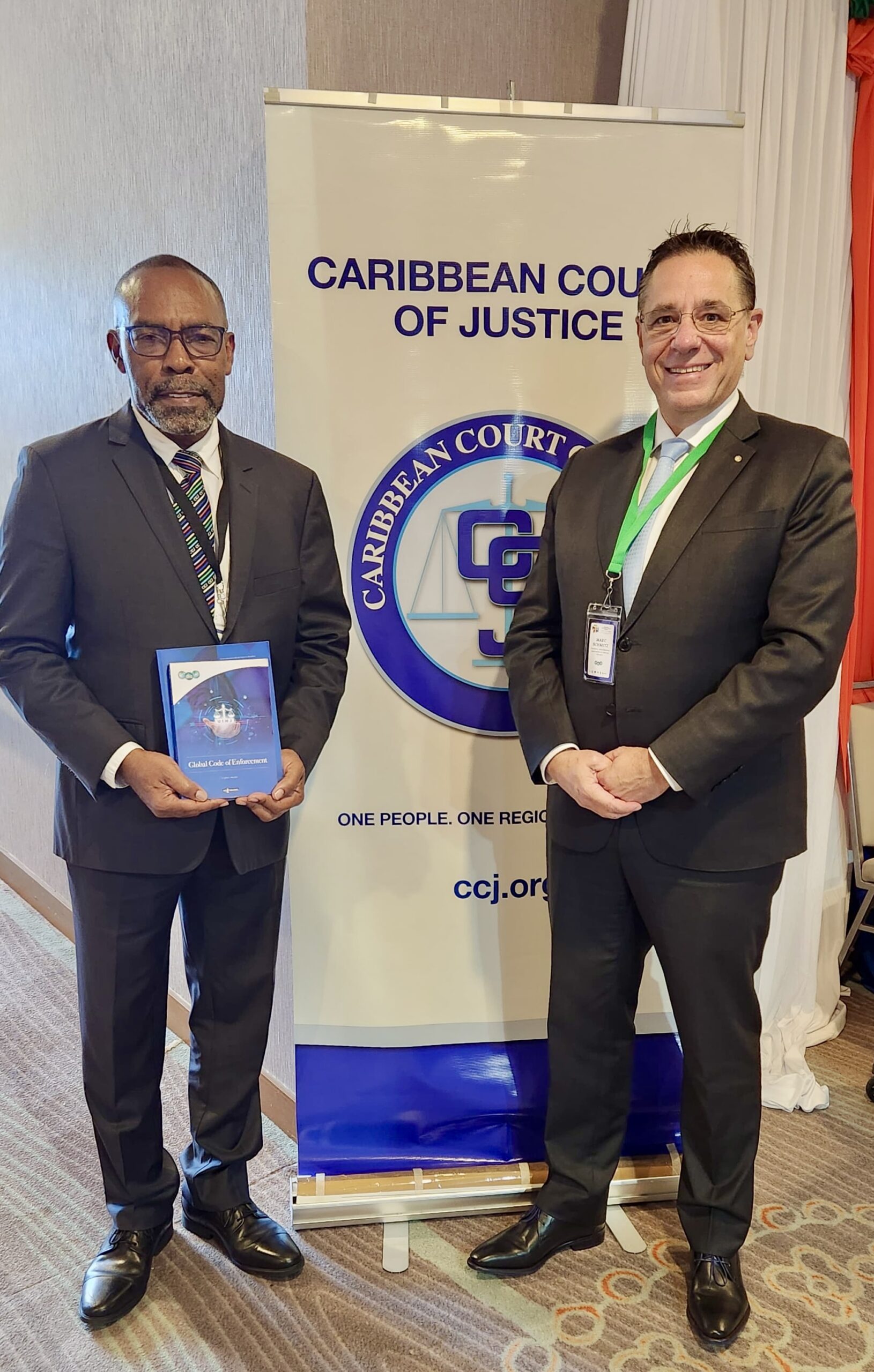
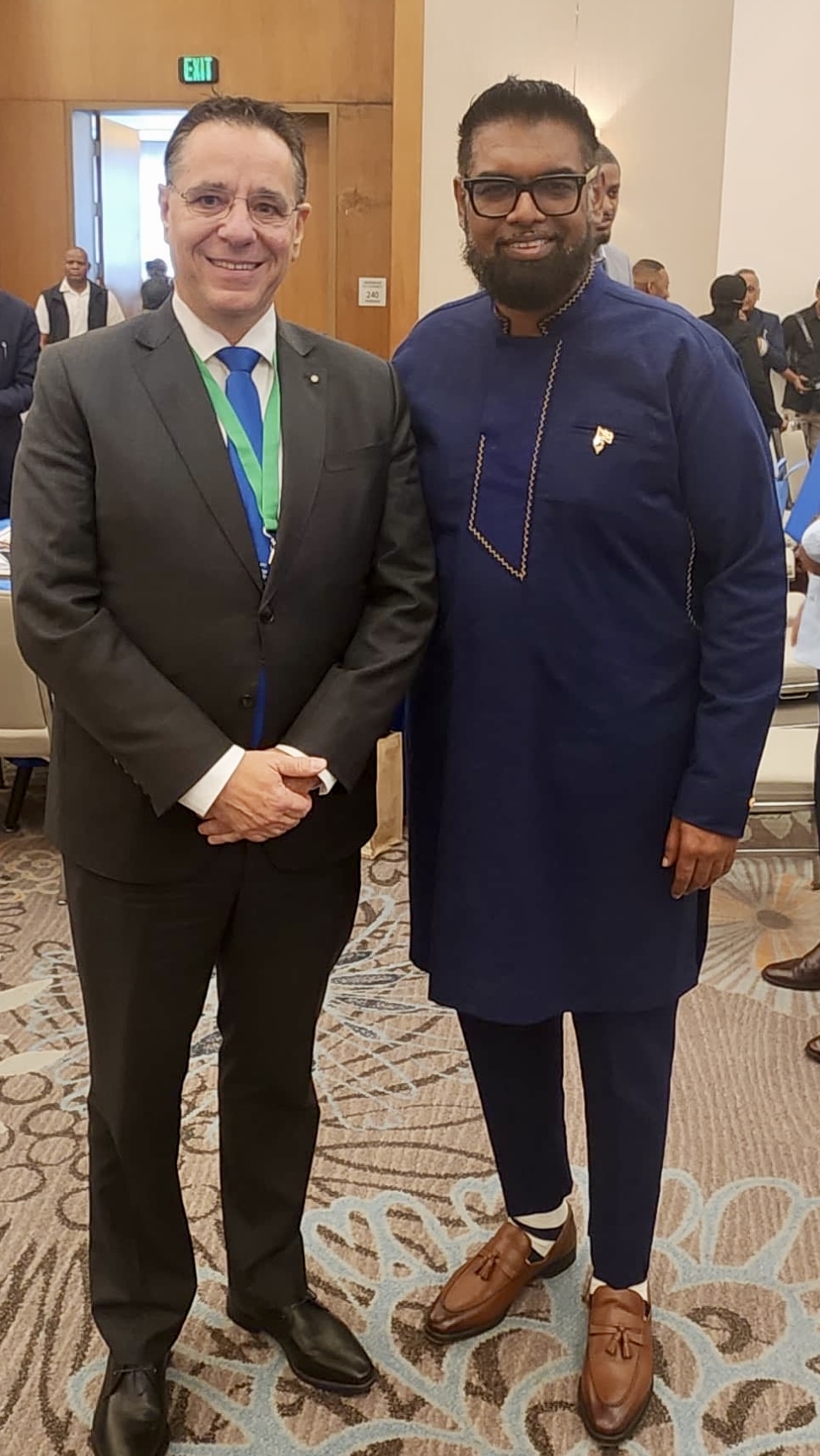
On the sidelines of the conference, UIHJ President Marc Schmitz had the particular honour of meeting His Excellency Dr Mohamed Irfaan Ali, President of the Co-operative Republic of Guyana as well as the Honourable Mr Justice Winston Anderson, President of the Caribbean Court of Justice (CCJ).
The UIHJ’s participation in this important regional conference reflects its continued commitment to international cooperation and the exchange of professional experience across different legal systems.
Although the responsibilities of judges and judicial officers entrusted with the enforcement of judicial decisions are distinct, their respective functions are complementary and indispensable to the effective administration of justice.
Judicial independence, access to justice, public confidence, professional ethics and the effective implementation of court decisions are all essential elements of the rule of law.
The exchanges in Georgetown therefore offered a valuable opportunity to reinforce the importance of a comprehensive approach to justice, in which the quality of judicial decisions must be accompanied by their effective and responsible enforcement.
The UIHJ warmly congratulates the Caribbean Association of Judicial Officers, its Chair, Justice Peter Jamadar, the organising committees and the Guyanese judicial authorities on bringing together such a distinguished international gathering.
Through its presence in Georgetown, the UIHJ reaffirmed its willingness to develop closer relations with judicial institutions in the Caribbean region and to contribute to the international dialogue on building modern, accessible, independent and effective justice systems that serve citizens and uphold the rule of law.