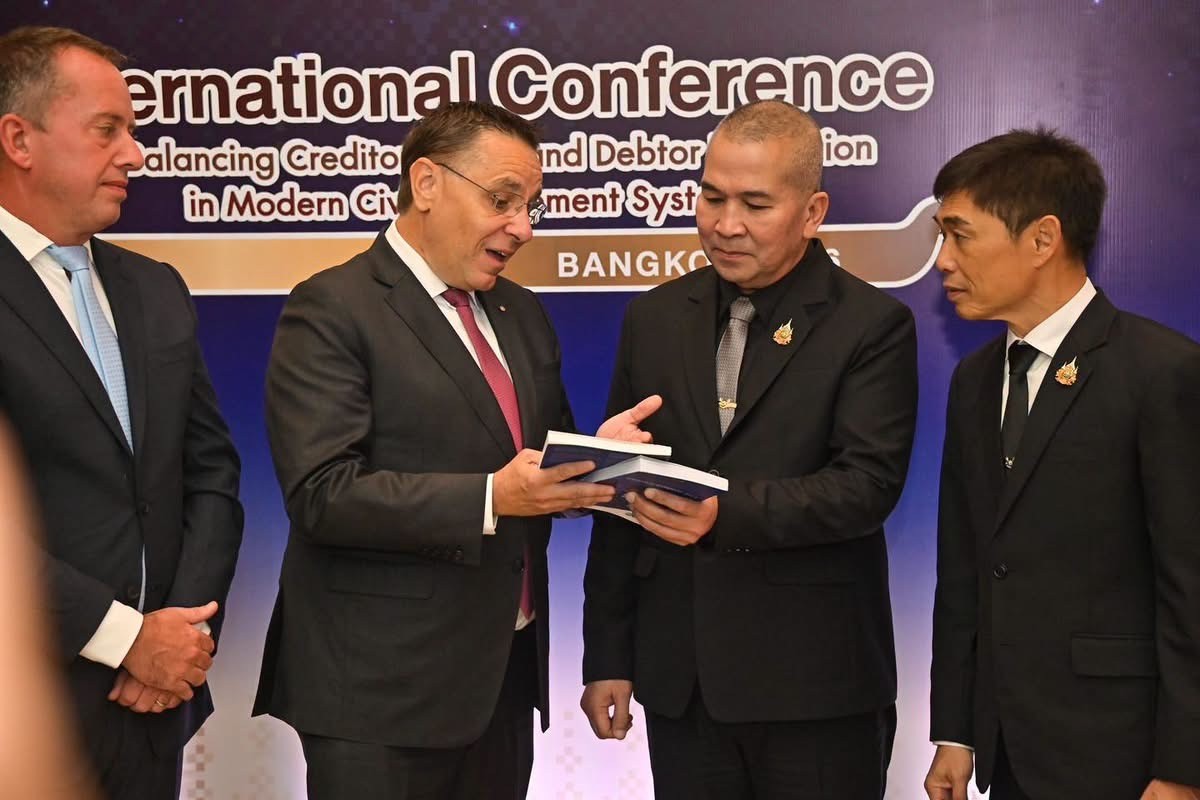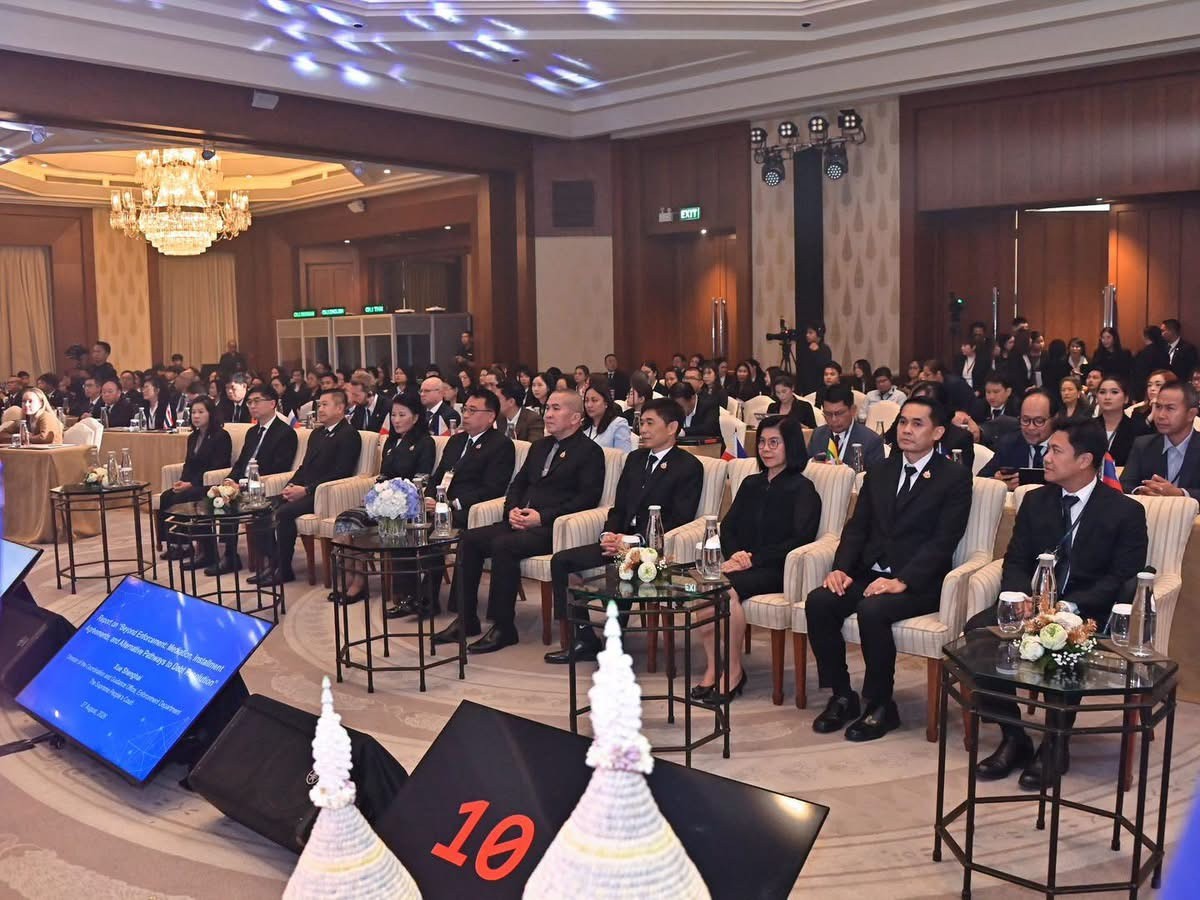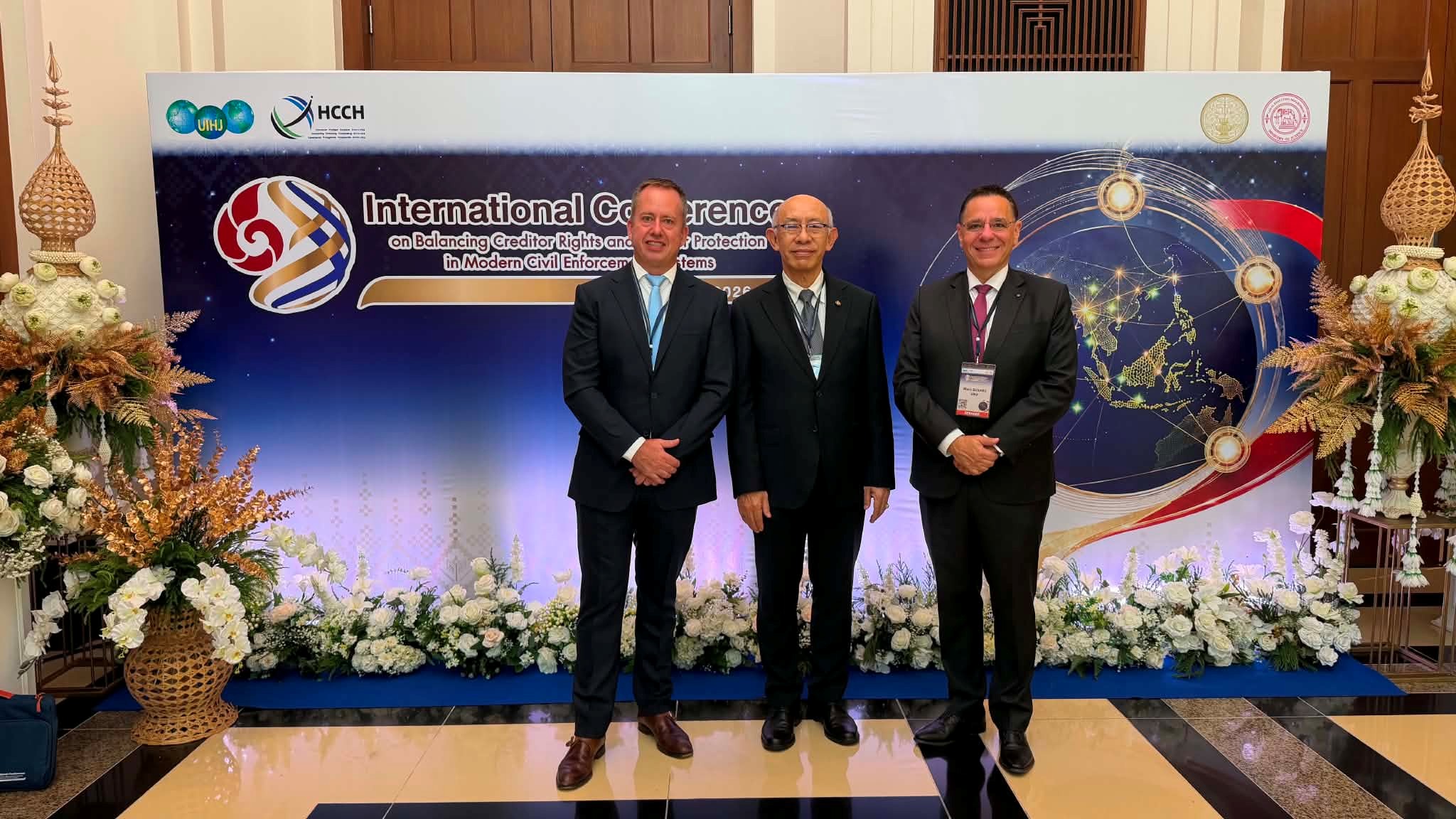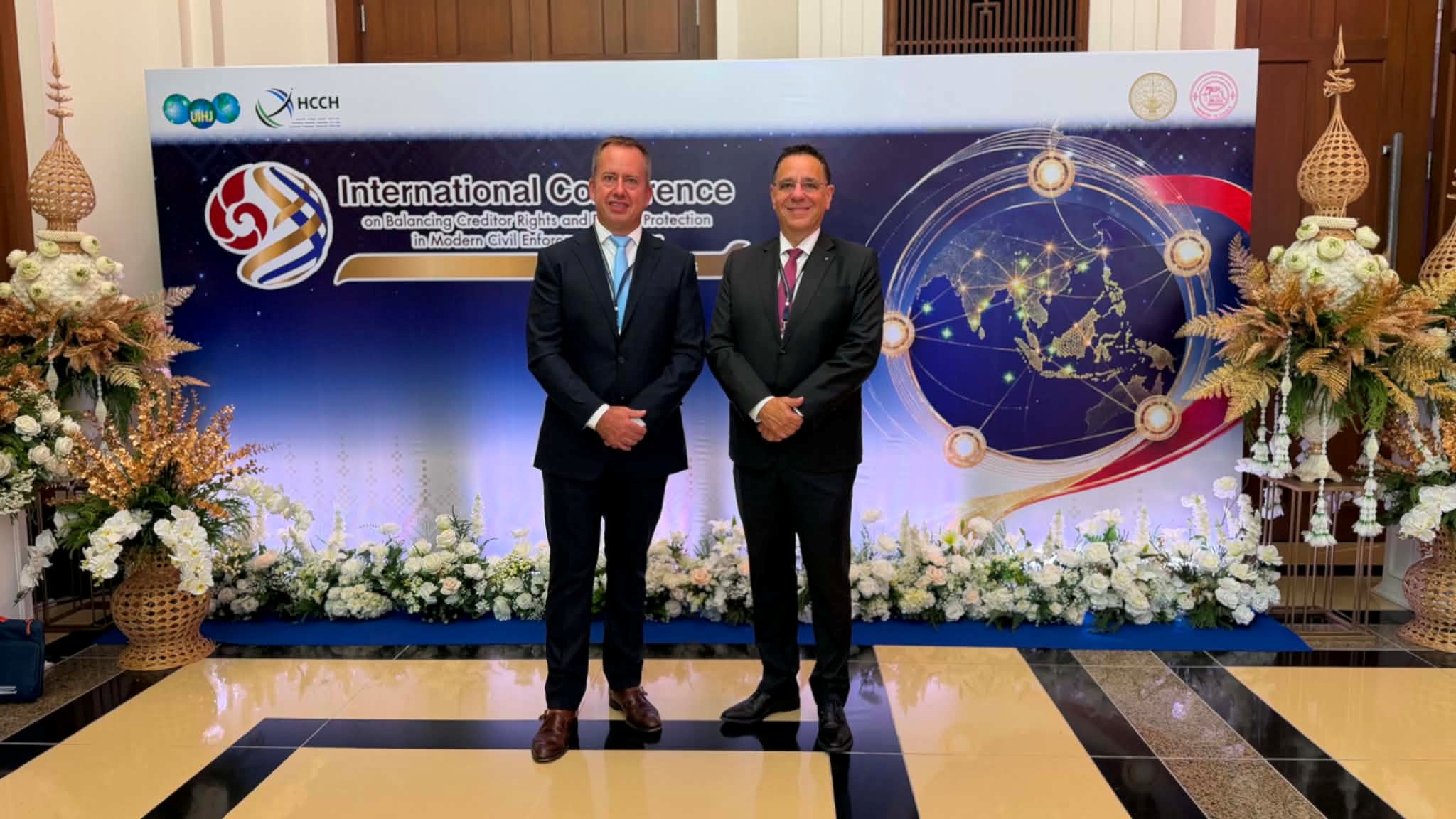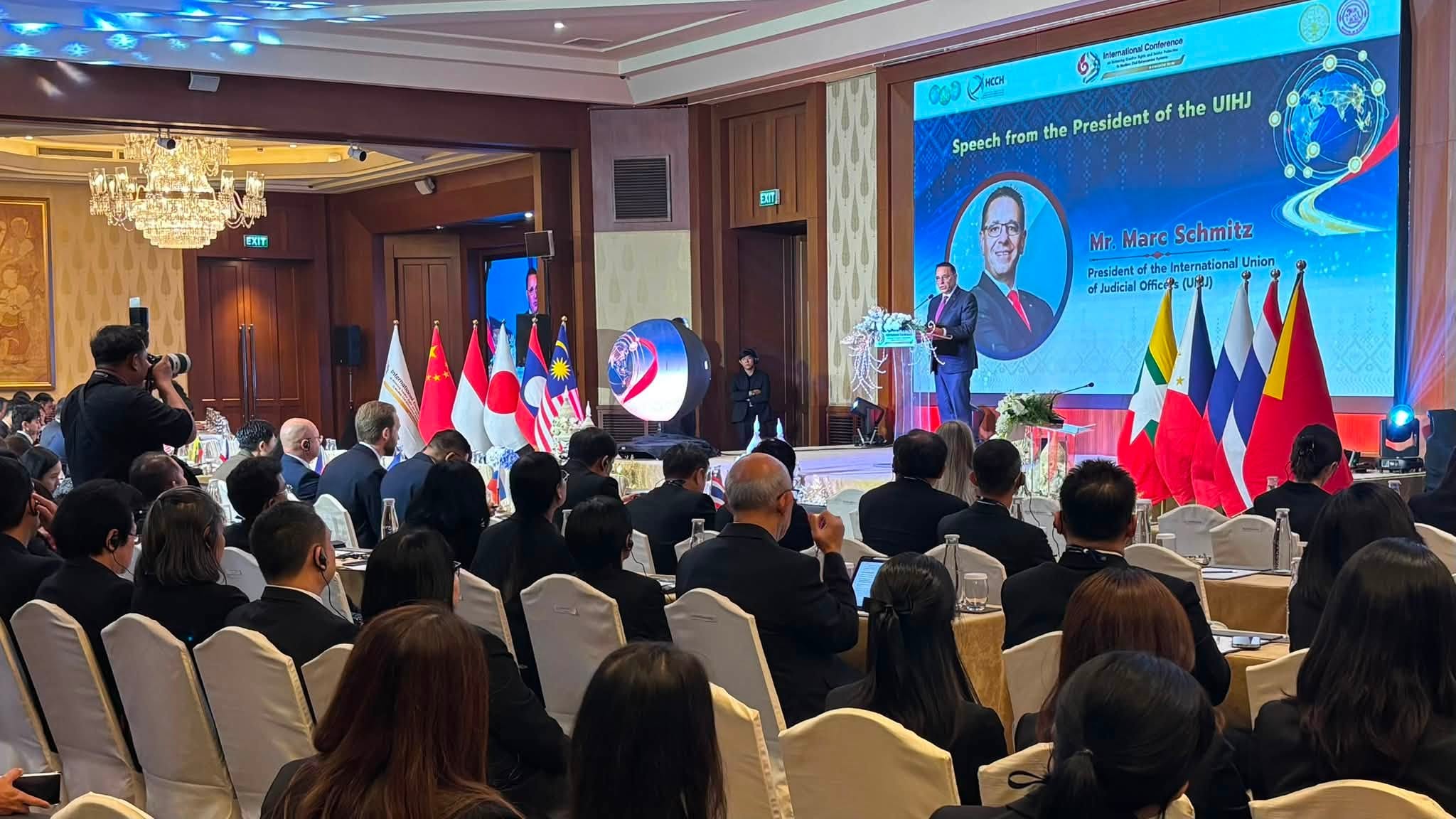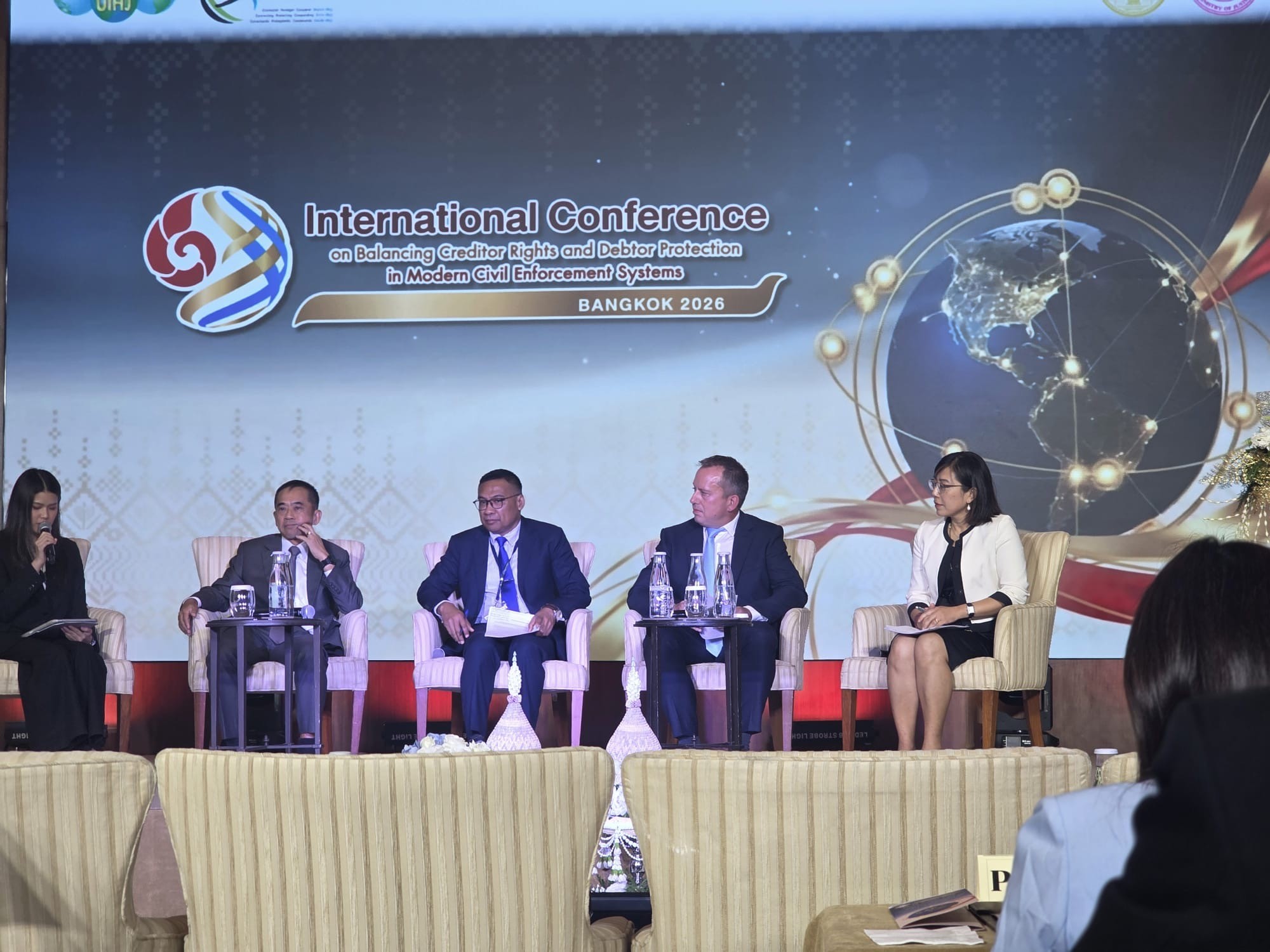
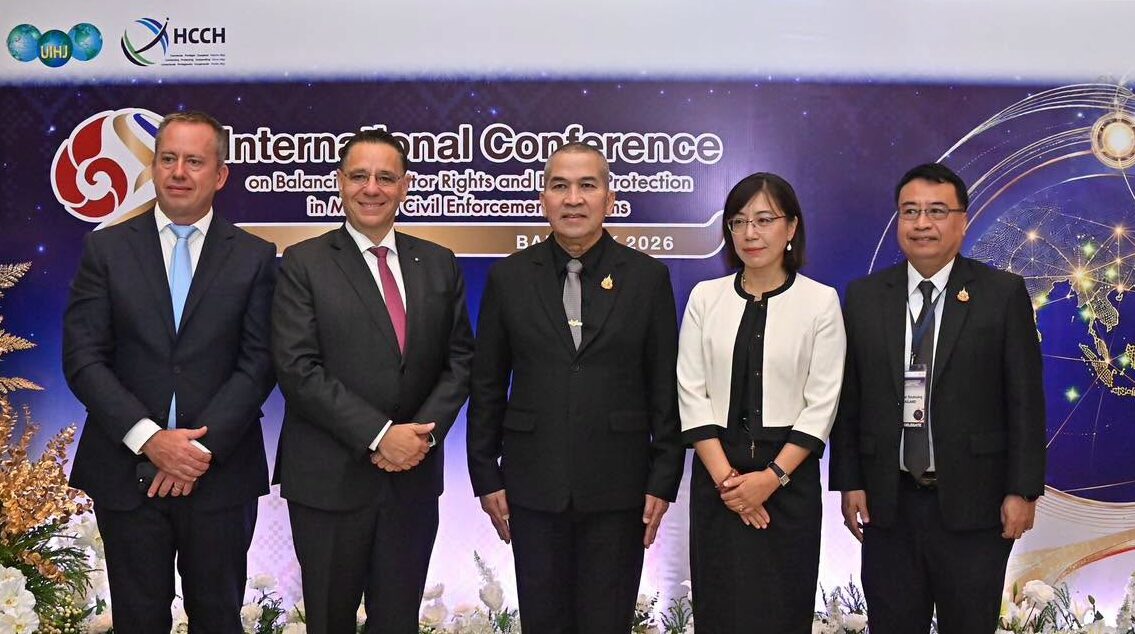
On 27 and 28 August 2026, the Legal Execution Department (LED) of Thailand’s Ministry of Justice organised a major international conference in Bangkok devoted to balancing creditors’ rights and debtor protection in modern civil enforcement systems. This high-level gathering enabled the UIHJ to share its expertise, strengthen its ties with the Hague Conference on Private International Law (HCCH) and, above all, develop valuable contacts with ASEAN Member States.
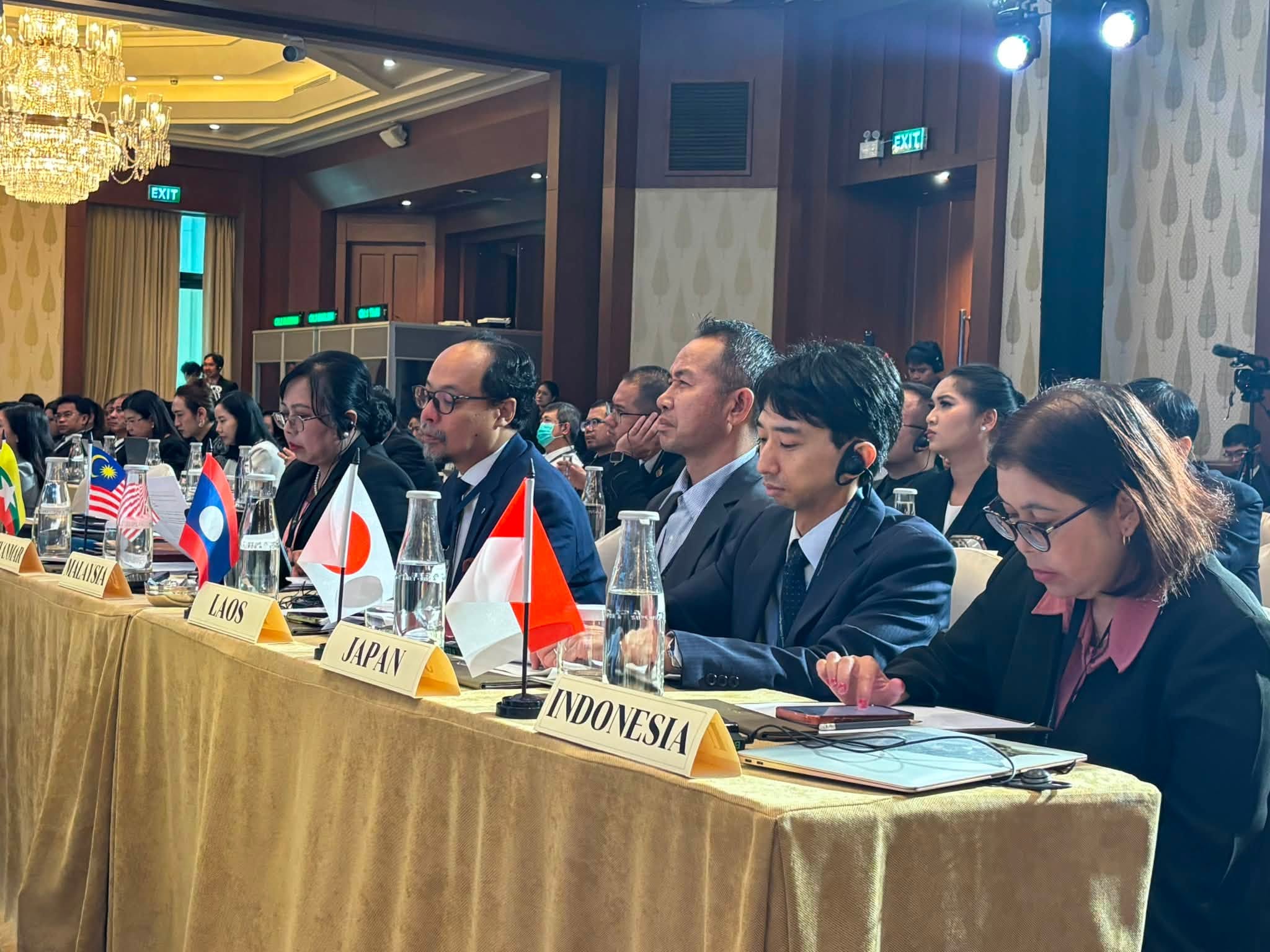
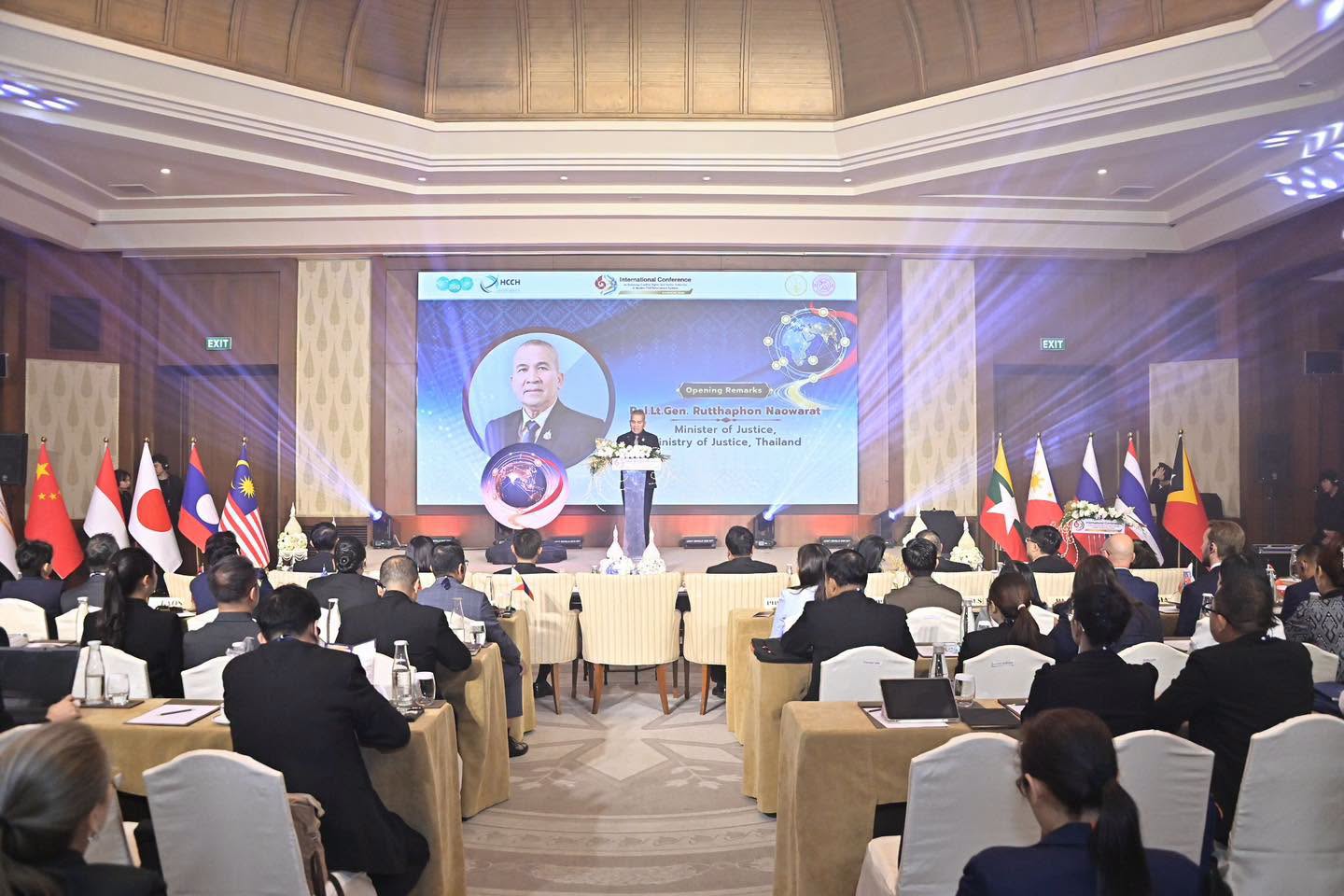
The International Conference on “Balancing Creditor Rights and Debtor Protection in Modern Civil Enforcement Systems”, held at The Peninsula Bangkok, brought together representatives of ASEAN Member States, as well as the People’s Republic of China, Japan, the Republic of Korea and the Russian Federation, together with representatives of international organisations.
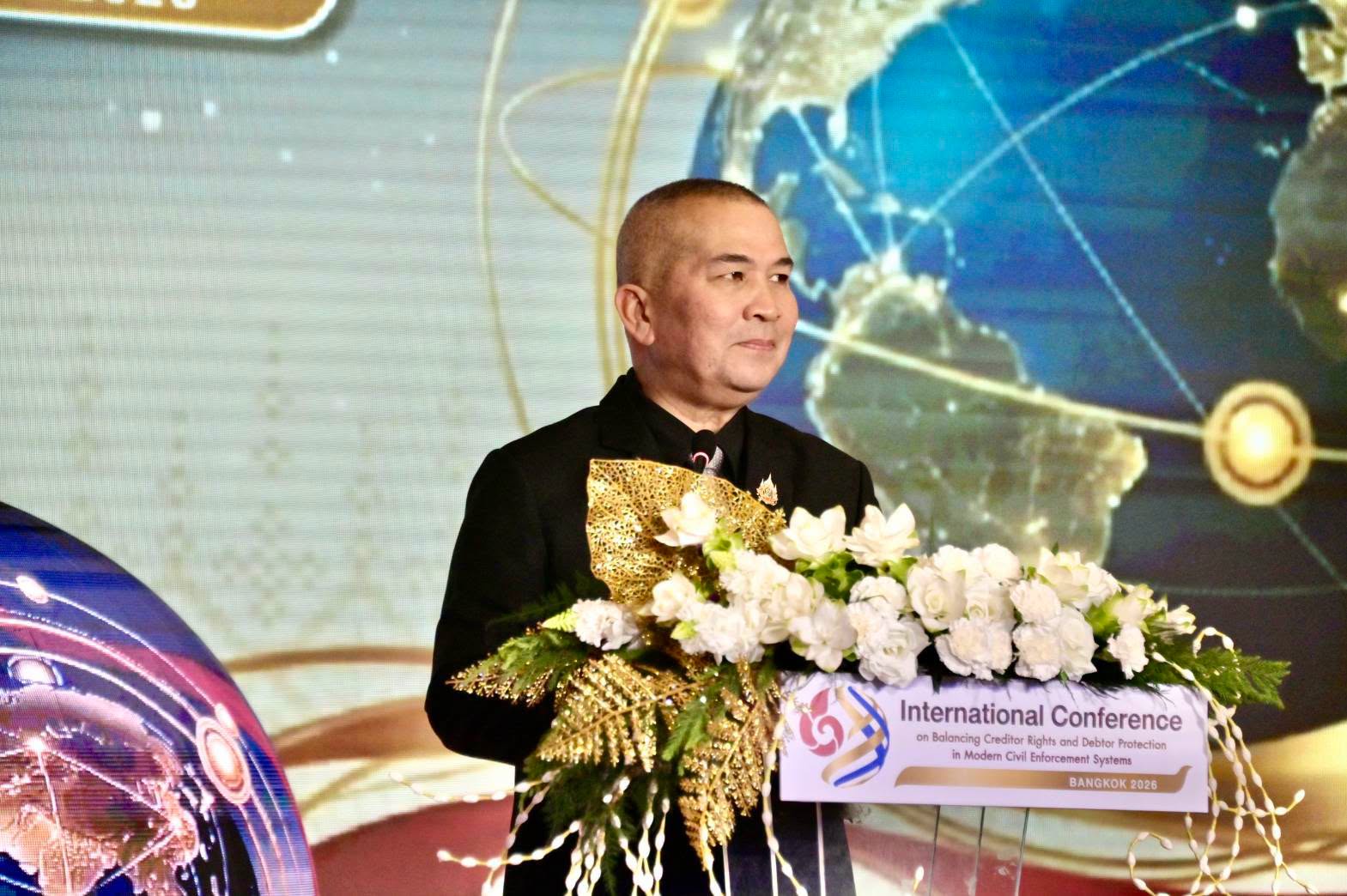
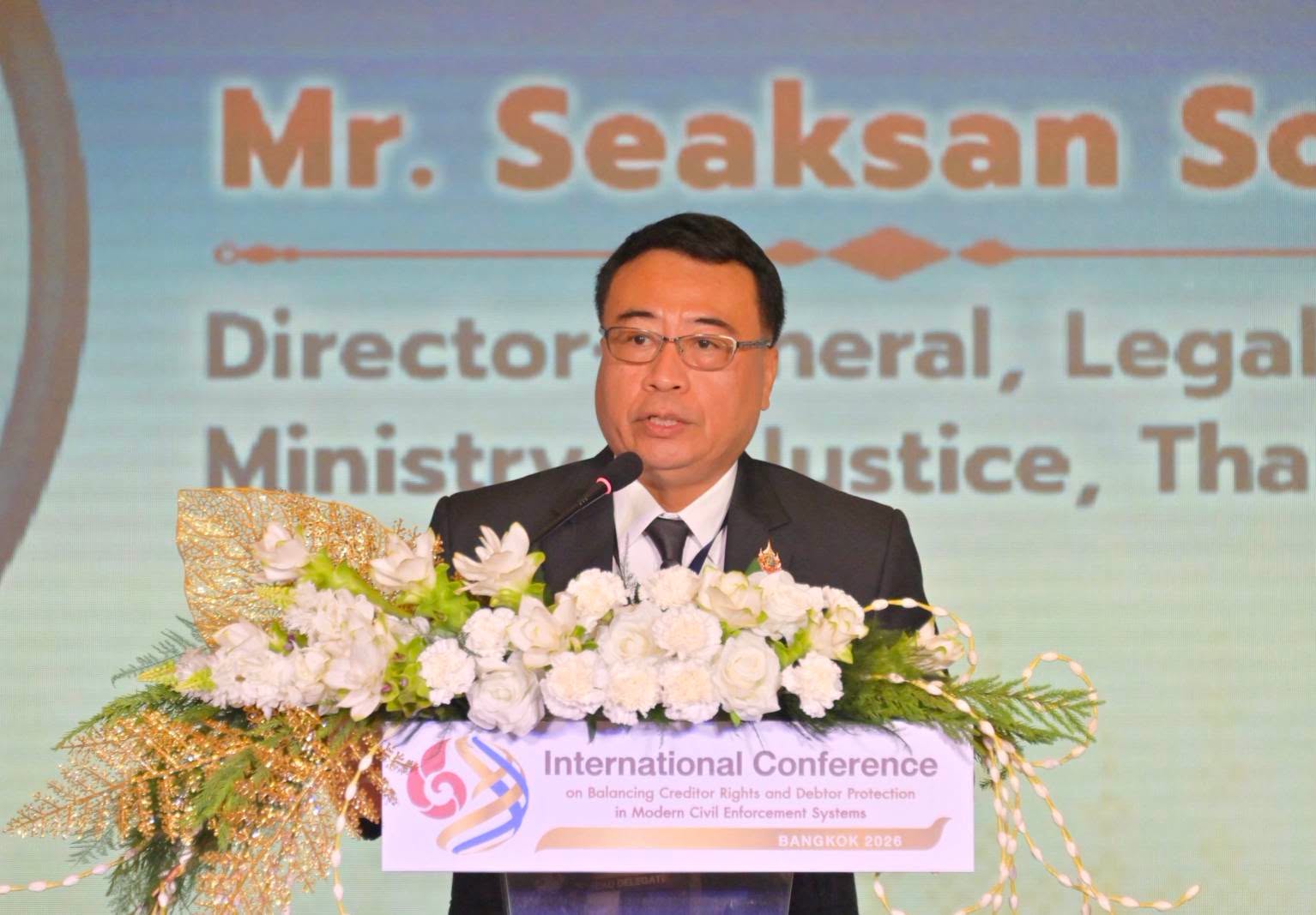
The opening ceremony reflected the importance attached to the event by the Thai authorities. Participants included Pol. Lt. Gen. Rutthaphon Naowarat, Minister of Justice of Thailand; Mrs. Jirapa Sintunava, Deputy Permanent Secretary and Acting Permanent Secretary of the Ministry of Justice; and Mr. Seaksan Sooksang, Director-General of the Legal Execution Department.
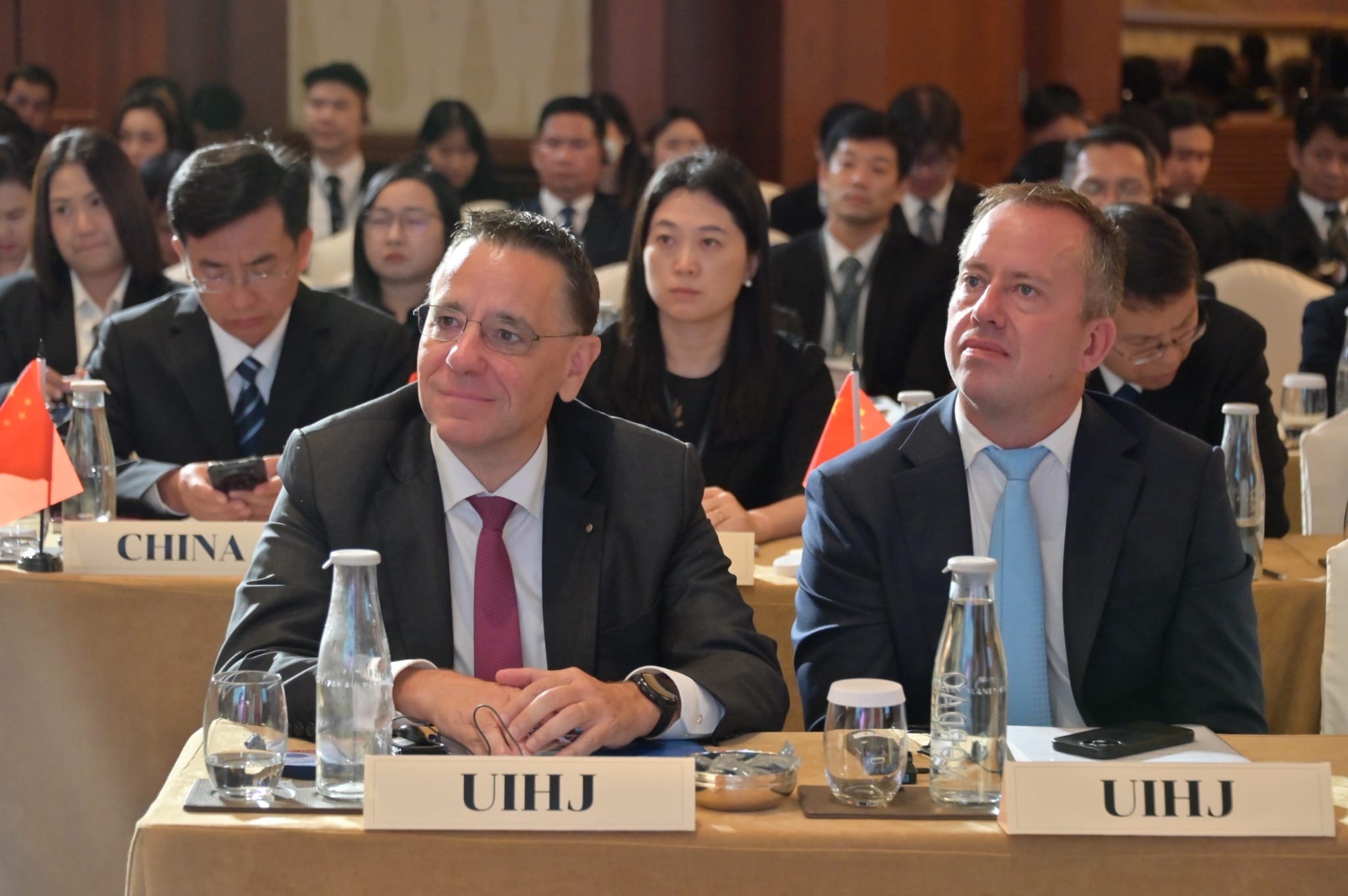
The International Union of Judicial Officers (UIHJ) was represented by its President, Marc Schmitz, and its Secretary General, Patrick Gielen.
Reconciling effective enforcement with the protection of rights
The theme chosen by the LED lies at the heart of the UIHJ’s current concerns: effective enforcement of judicial decisions is indispensable to the rule of law, but such effectiveness must necessarily be accompanied by adequate safeguards for the parties and respect for fundamental rights.
The particularly rich programme addressed the main challenges facing enforcement systems today: mediation and instalment agreements as alternatives to enforcement, digitalisation of procedures, artificial intelligence, access to asset information, personal data protection, protection of vulnerable debtors, ethics and professional accountability, as well as cross-border cooperation and the tracing of assets abroad.
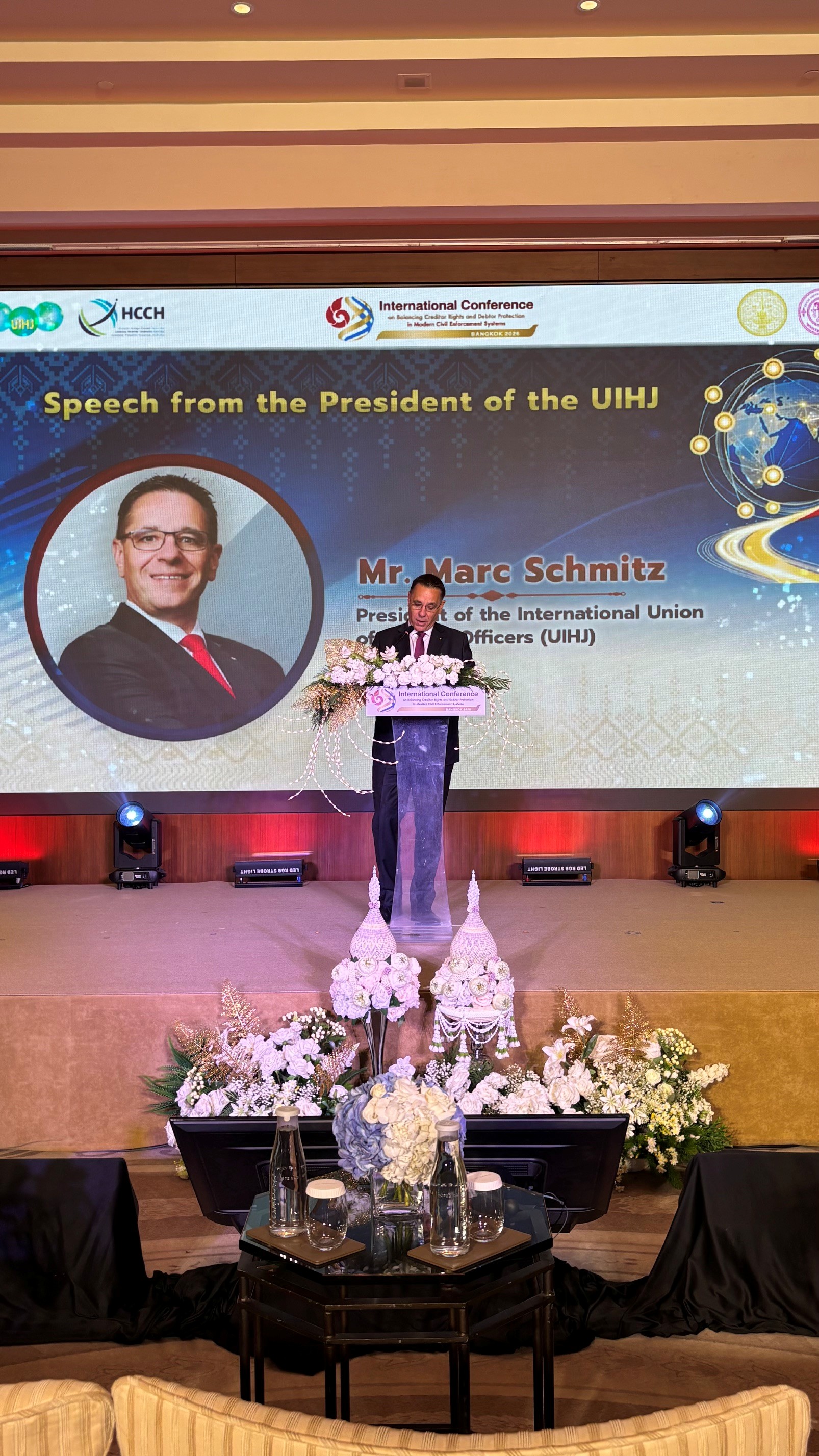
Marc Schmitz, President of the UIHJ, spoke during a session specifically devoted to “Ethics, Accountability, and Professionalism: The Role of Enforcement Officers as Guardians of Justice”. The session highlighted the essential place of enforcement professionals within the justice system and the importance of ethics, professionalism, transparency and accountability in strengthening public confidence in enforcement systems.
Patrick Gielen, Secretary General of the UIHJ, took part in the plenary session on cross-border enforcement alongside, among others, Professor Wisit Wisitsora-At, Chairman of Thailand’s Securities and Exchange Commission (SEC); Nelinho Vital, Director General of Justice Policy Affairs at the Ministry of Justice of Timor-Leste; and Ning Zhao, Principal Legal Officer at the Permanent Bureau of the HCCH.
The discussions addressed the recognition of foreign judgments, cooperation between authorities, information exchange and the tracing of assets located in other jurisdictions, with particular attention to digital assets and the use of digital tools in cross-border enforcement.
A significant contribution from the HCCH
The participation of the Hague Conference on Private International Law (HCCH), represented by Ning Zhao, Principal Legal Officer at the Permanent Bureau, was a particularly important feature of the conference.
The presence of the HCCH and the UIHJ on the same panel devoted to cross-border enforcement made it possible to bring together institutional approaches and the practical realities of enforcing judicial decisions.
This joint presence was all the more significant at a time when the increasing mobility of people, businesses and assets makes international cooperation ever more indispensable. The effectiveness of a judicial decision can no longer be considered solely within national borders: it increasingly depends on effective mechanisms for recognition, cooperation and information exchange among the various actors concerned.
The Bangkok conference therefore provided a particularly valuable setting for exchanges between the HCCH, the UIHJ and national authorities responsible for enforcement.
The UIHJ strengthens its contacts with ASEAN Member States
Beyond the quality of the scientific discussions, one of the conference’s major contributions lay in its institutional and international dimension.
The presence in Bangkok of delegations from ASEAN Member States offered the UIHJ a privileged opportunity to establish and strengthen direct contacts with representatives of the administrations and bodies responsible for civil enforcement in this part of the world.
These exchanges enable the UIHJ to gain a better understanding of the different enforcement models in Southeast Asia, identify common challenges and explore new avenues for cooperation. They also open up prospects for the exchange of best practices, professional training, digitalisation of enforcement and cross-border cooperation.
This momentum continued on 28 August during a closed meeting bringing together executives of civil judgment enforcement agencies from ASEAN Member States and several other countries in the region. Delegations were invited to present their national legal frameworks, enforcement systems and procedures, professional capacity-building and training, recent innovations, and bilateral and multilateral cooperation mechanisms.
These meetings are particularly valuable for the UIHJ. They create direct links between institutions, improve mutual understanding of the diversity of professional models and progressively extend the Union’s international network in a particularly dynamic region.
Bangkok therefore marks a further important step in the development of the UIHJ’s relations with Southeast Asia and in its commitment to fostering a truly global dialogue on the enforcement of judicial decisions.
Outstanding organisation by the Legal Execution Department
The success of the conference also owed much to the exceptional quality of its organisation by the Legal Execution Department of Thailand’s Ministry of Justice, under the leadership of Mr. Seaksan Sooksang, Director-General of the LED, who opened the proceedings and delivered the closing remarks.
The UIHJ wishes to express its warmest congratulations and profound gratitude to him and to the entire LED team for the welcome extended to the Union’s delegation, the quality of the scientific programme and the remarkable professionalism demonstrated throughout the event.
A very special mention must be made of Oliveoil Saengchand for her availability, efficiency, kindness and constant attention throughout the preparation and conduct of the conference. Her commitment contributed greatly to the quality of the welcome extended to the UIHJ delegation and to the success of these days.
The LED International Conference ultimately demonstrated that, despite the diversity of legal systems and enforcement models, many of the challenges encountered are shared. Bangkok brought institutions closer together, enabled experiences to be compared and, above all, created new connections. It is through this dialogue among professionals, national authorities and international organisations that the enforcement of judicial decisions can continue to develop in a way that is more effective, more humane and better adapted to an increasingly digital and cross-border world.